
REVIEW · KRABI THAI COOKING CLASSES
Krabi: Traditional Thai Cooking Class
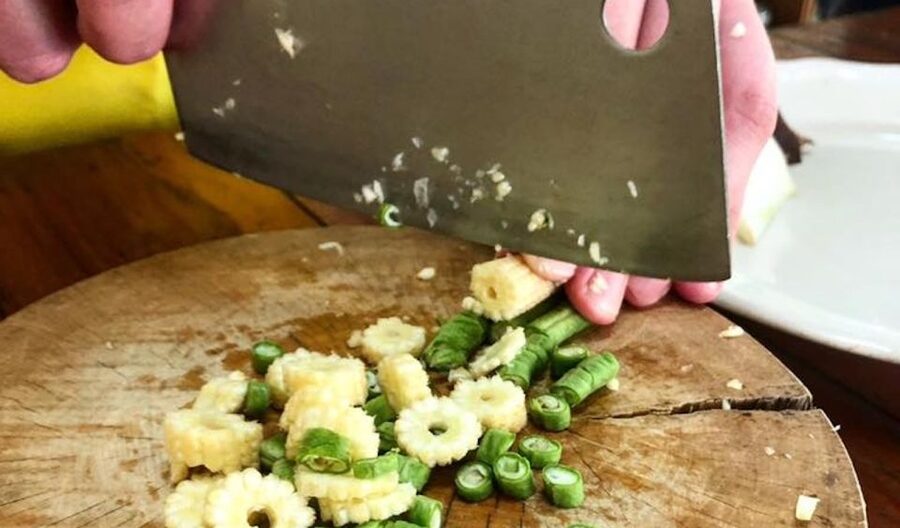
Cooking Thai food in Krabi is practical, not performative. I love the hands-on gas-fired woks and the way you get to build your own dish lineup from a real menu, not a fixed script. The instructor-led pace also makes it easy to understand the why behind Thai flavor, not just the how.
I do want to flag one consideration: the wok stations can feel quite hot, especially in humid weather. If you’re sensitive to heat or want a calmer pace, wear breathable clothes and keep your water close.
In This Review
- Key things I’d plan around before you go
- Entering the kitchen: what this Krabi class really feels like
- Price and value: what $57 includes (and what that means)
- Picking your dishes: how to choose from the Krabi menu
- If you want big flavor and comfort
- If you’re into sour, herb-forward Thai food
- If you want noodles and wok technique
- If you want the Thai “sweet ending”
- Vegetarian-friendly thinking
- Morning, afternoon, late afternoon, evening: how the timing affects your picks
- Morning class (9:00 AM)
- Afternoon class (1:00 PM)
- Late afternoon (2:00 PM)
- Evening class (6:00 PM)
- Pickup, drop-off, and getting there without stress
- What you learn beyond the recipes: herbs, spice logic, and balance
- The class flow: what happens during those 3.5 hours
- How much food you’ll make (and why that’s a good thing)
- Who should book this Krabi class
- Quick tips to make your day smoother
- Should you book the Krabi Traditional Thai Cooking Class?
- FAQ
- How long is the Krabi Traditional Thai Cooking Class?
- What dishes do I cook?
- Is hotel pickup included?
- Can I request vegetarian or non-spicy versions?
- What language is the instruction in?
- How big is the group?
- What should I bring, and can I bring luggage?
Key things I’d plan around before you go
- Small group (up to 8) means you’re not stuck watching from the back row.
- You choose your dishes from a menu that rotates by time slot, so you can match your cravings.
- Herbs, spices, and flavor balance are a core lesson, not just a side talk.
- English-speaking instruction helps you follow clear step-by-step cooking.
- A recipe book at the end makes it realistic to recreate your picks back home.
Entering the kitchen: what this Krabi class really feels like
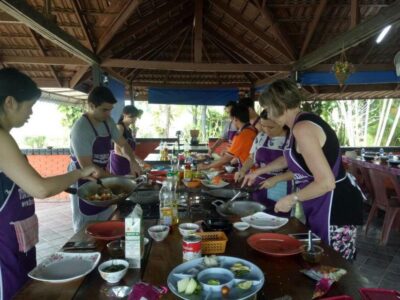
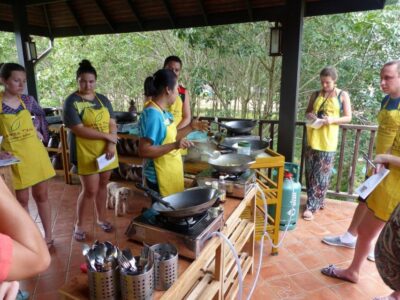
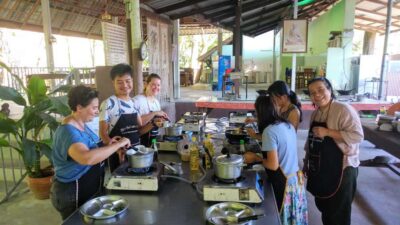
This isn’t a “stand there and watch” cooking demo. You’ll work at your own station, cook what you selected, and leave with a clear sense of how Thai dishes get their punch—aromatics, heat, salt, sour, and a little sweetness working together.
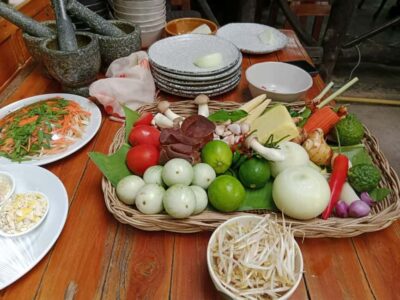
The class is designed for small groups (limited to 8 participants), which matters more than it sounds. In a big class, you spend time waiting. Here, you get enough attention to troubleshoot as you cook, especially if you’re not used to Thai ingredients like galangal, kaffir lime leaves, lemongrass, Thai basil, or palm sugar.
I also like the teaching approach: the instructor guides you through each step while explaining what each ingredient is doing. One of the instructors you might meet is Siam, and people consistently highlight that the English is easy to follow and the pacing stays organized even when the kitchen is moving fast.
You should also go in hungry—there’s a lot of food, and you’ll likely eat as you cook. The upside: you taste the results right away. The downside: it’s easy to feel stuffed if you ate a big breakfast.
Taking the market-to-wok route home? More Krabi cooking classes to weigh up
- Krabi: Cooking Class at Thai Charm Cooking School with Meal
★ 4.9 · 430 reviews - Ya Thai Cookery School Class in Krabi
★ 5.0 · 292 reviews - Krabi: Traditional Thai Cooking Class
★ 4.8 · 175 reviews - Krabi: Evening Thai Cooking Class at Ya’s Cookery
★ 4.9 · 125 reviews
Price and value: what $57 includes (and what that means)
At about $57 per person, you’re paying for more than instruction. You’re getting:
- Hotel pickup and drop-off from Ao Nang (with other areas costing extra)
- Raw ingredients for your chosen dishes
- Cooking equipment and an apron
- A small-group setup
- A recipe book/booklet with what you cooked (and extra recipes)
In real terms, this price tends to work out well because the class covers the expensive parts that you don’t want to figure out while traveling: ingredient sourcing, portioning, and kitchen logistics. Thai spices aren’t hard to find at home, but the blend logic is hard to learn from a cookbook alone. Here, you’re tasting as you go, then leaving with recipes you can actually replicate.
One more value point: the menu is flexible. You’re not locked into a single “tourist Thai” set. If you love curries, you can build a curry-heavy lineup. If you’re more into salads and noodle dishes, you can do that instead.
Picking your dishes: how to choose from the Krabi menu
You’ll choose dishes from a rotating menu tied to your time slot. The good news: the options include classics from across Thailand—curries, noodle dishes, soups, stir-fries, salads, and sweets.
Also note: the class allows vegetarian options and can be made non-spicy to match your preferences. If you’re worried about heat, tell the instructor and choose accordingly. Thai food can be mild without losing its flavor logic.
Here are the dishes you’ll commonly see listed (varies by time slot), plus how I’d think about choosing:
If you want big flavor and comfort
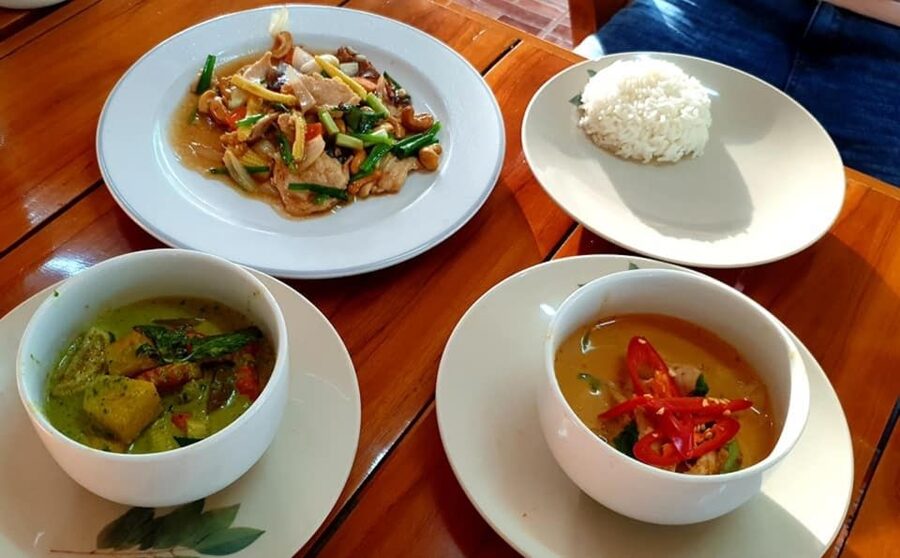
- Massaman curry: Rich and usually less fiery than many other curries. Great for learning curry-building basics.
- Green curry and Panang curry: More intense aromatics and spice. Good if you like strong flavors and want to learn how curry paste works in cooking.
Hands-on for an afternoon? More Krabi classes and workshops



If you’re into sour, herb-forward Thai food
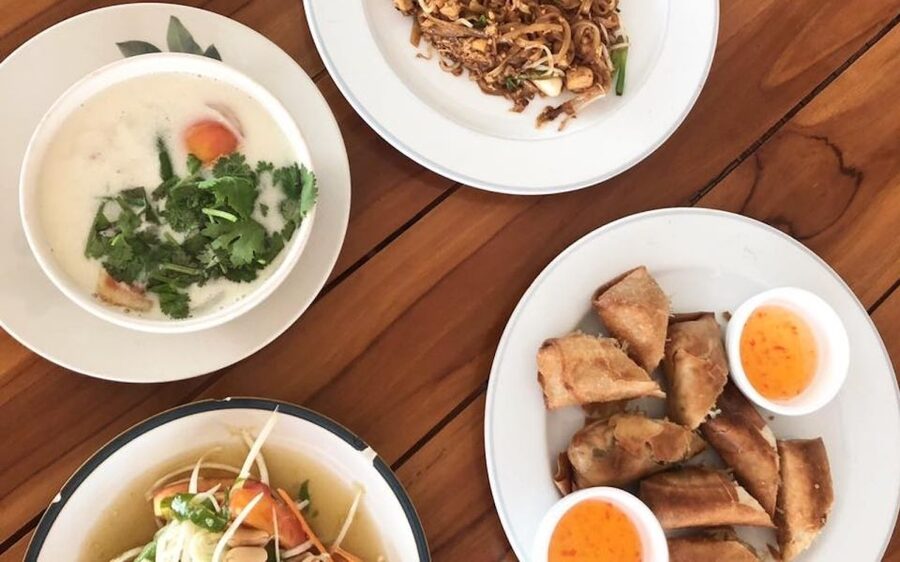
- Tom yum goong (spicy prawn soup): Sour, salty, aromatic, and punchy. Even if you don’t want it spicy, the flavor profile is a lesson.
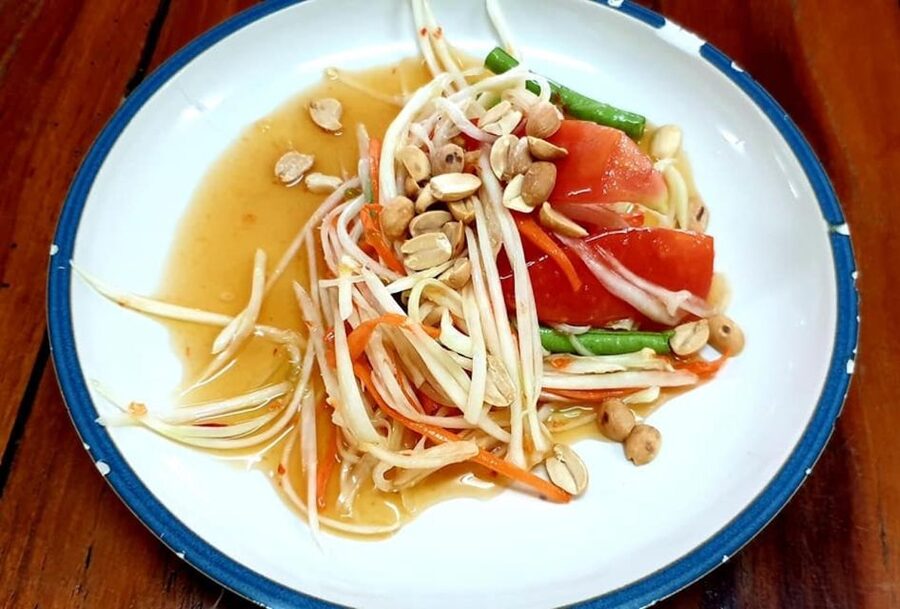
- Som tam (papaya salad): Crunchy, tangy, and herb-laced. You’ll learn how balance is built, not just how ingredients are chopped.
If you want noodles and wok technique
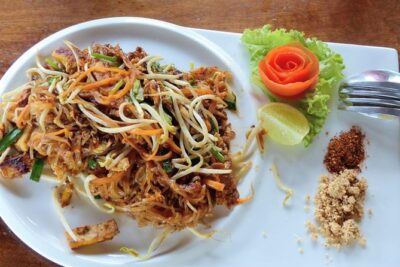
- Pad Thai: A great “learn-the-station” dish—timing matters.
- Fried rice and stir-fried dishes (including Thai basil or cashew stir-fry): These help you practice stir-fry rhythm and seasoning.
If you want the Thai “sweet ending”
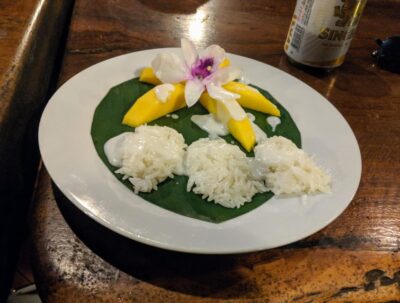
- Mango sticky rice: A dessert that’s simple in concept but relies on the right balance and texture. Perfect for leaving with something you can confidently recreate.
Vegetarian-friendly thinking
Even without every detail listed, the class format explicitly supports vegetarian substitutions. In other words, you shouldn’t have to choose between participating and sticking to your diet.
Morning, afternoon, late afternoon, evening: how the timing affects your picks
The class runs about 3.5 hours, with set starting times you can check for your day. The menu shifts slightly by time slot, so your best strategy is to pick your time based on what you want to cook, not the other way around.
Morning class (9:00 AM)
If you’re an early-starter, this is a smooth option. Common picks include massaman curry, tom yam goong, lab kai (chicken mint salad), Pad Thai, and fried rice, plus a curry-paste or curry option depending on the slot.
Afternoon class (1:00 PM)
This slot often includes a wider spread of “snack-to-sweet” options like spring rolls and mango sticky rice, plus curries like green curry and panang curry. If you want both savory and dessert in one go, this is a smart choice.
Late afternoon (2:00 PM)
Think of this as another strong window for salads and curry-learning—often featuring curry pastes, green curry, panang curry, pad Thai, and som tam, with tom kar kai showing up too.
Evening class (6:00 PM)
A great pick if you want the meal feel. Often includes tom kar kai, stir-fried morning glory, pad Thai, and dessert mango sticky rice in the same session. It’s also a nice way to time your day if Krabi activities run late.
Whatever time you choose, one consistent tip stays the same: don’t overeat beforehand. The class is structured to move quickly, and the food adds up fast.
Pickup, drop-off, and getting there without stress
You’ll get hotel pickup and drop-off from Ao Nang hotels. The listed pickup/drop-off points include areas around Ao Nang, such as:
- Nong Thale
- 102 Panurat
- Ao Nang
If you’re staying in Klong Muang, Tubkaak, or on Railay, there may be an additional fee. So it’s worth checking your exact hotel name when you book, so you don’t get surprised by a small surcharge.
Also, bring what you need and keep it simple. Luggage or large bags are not allowed, so if you’re doing a day tour plus this class, plan to store your bigger stuff elsewhere first. Comfortable shoes are a good call too—you’ll likely move between the pickup point, the kitchen space, and cooking stations.
What you learn beyond the recipes: herbs, spice logic, and balance
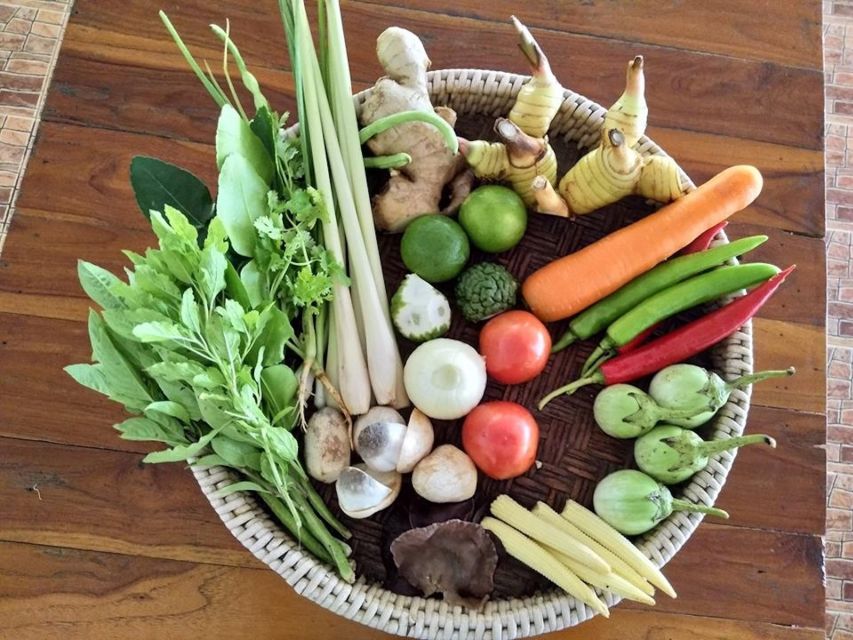
The headline lesson is Thai herbs and spices—the stuff that makes Thai food taste like Thai food. Instead of treating ingredients as a jumble of smells, the instructor focuses on what each one contributes.
You’ll get practice working with ingredients that often feel unfamiliar:
- Thai basil (frequently in stir-fries)
- Kaffir lime leaf and lemongrass type aromatics (common in curries/soups)
- Curry pastes (the flavor engine behind many dishes)
- Sour elements (especially important for salads and soups)
- Sweet balance (often something like palm sugar in Thai recipes)
- Fish sauce and related seasoning (though your final setup can be adjusted to vegetarian)
The most useful part for you at home is the balance mindset. When you learn what the dish needs—salt, sour, sweetness, heat—you stop following recipes like rules and start cooking like you understand the outcome.
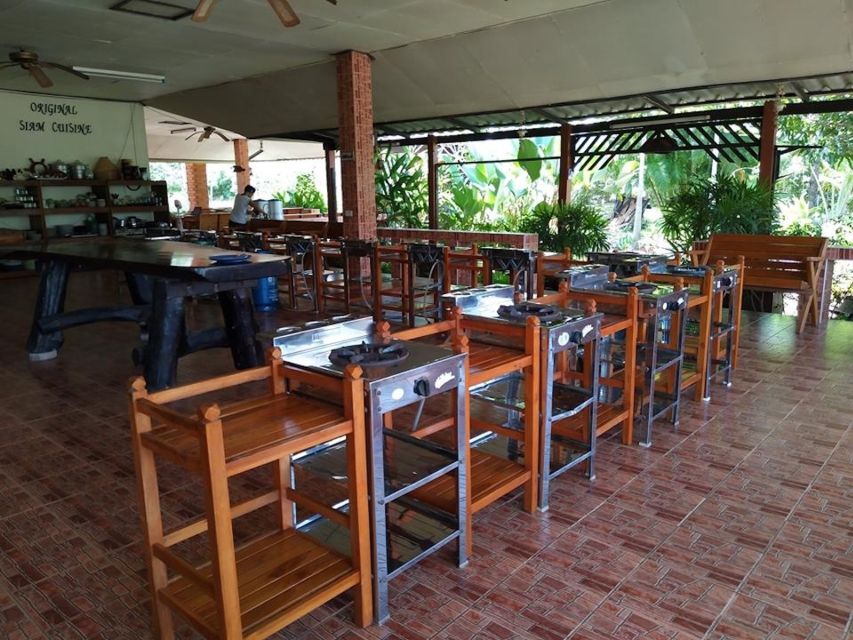
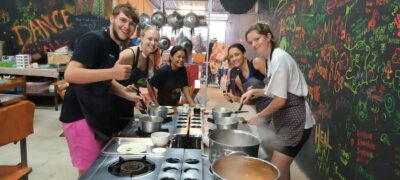
People also love the organization. You’re cooking on individual gas-fired woks, which makes the experience feel authentic and practical. It also means you’re actually doing the heat work yourself: getting the pan hot enough, timing the aromatics, and knowing when to add ingredients so they taste fresh rather than overcooked.
The class flow: what happens during those 3.5 hours
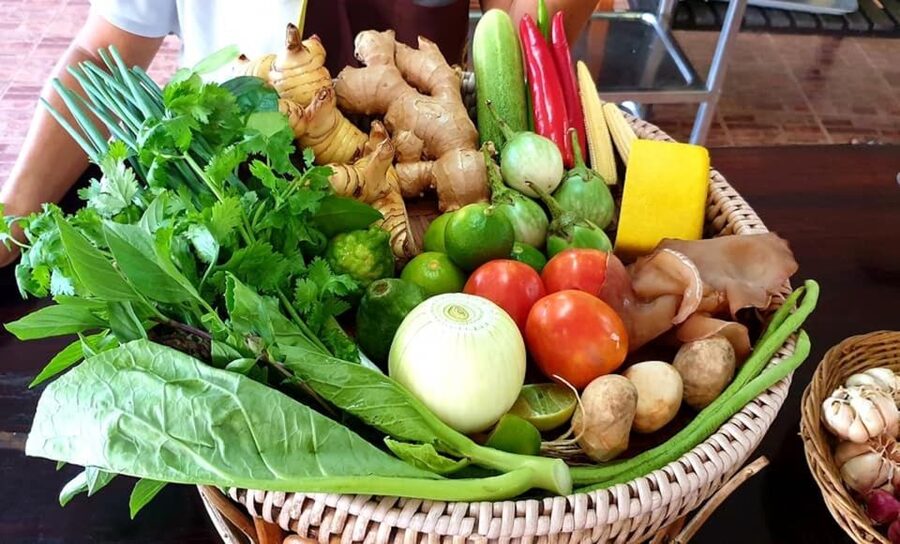
Even though the exact steps vary by dish selection and time slot, the rhythm stays similar.
1) You start with ingredient prep
You’ll be guided through what to use and how to handle it, including the key herbs/spices that define each dish. This is where the “why” starts: the instructor explains flavor roles while you prep.
2) You cook at your own station
This is the hands-on part. You’ll cook your chosen dishes one by one, using the equipment provided. If you’re vegetarian or want non-spicy versions, this is when you can make sure your dishes match your preference.
3) You eat what you make
The class is designed so you taste results as you go. The portions are generous, and you may end up with leftovers—some instructors provide takeaway containers so you can bring food back.
4) You finish with recipes
You’ll leave with a recipe book/booklet that includes the dishes you prepared and often more. That matters because it turns your experience into something you can actually use later, not just a memory.
One recurring practical tip from the experience itself: the kitchen can get hot over the wok. That’s normal, but you’ll be happier if you wear clothes that breathe and don’t plan on dressing fancy.
How much food you’ll make (and why that’s a good thing)
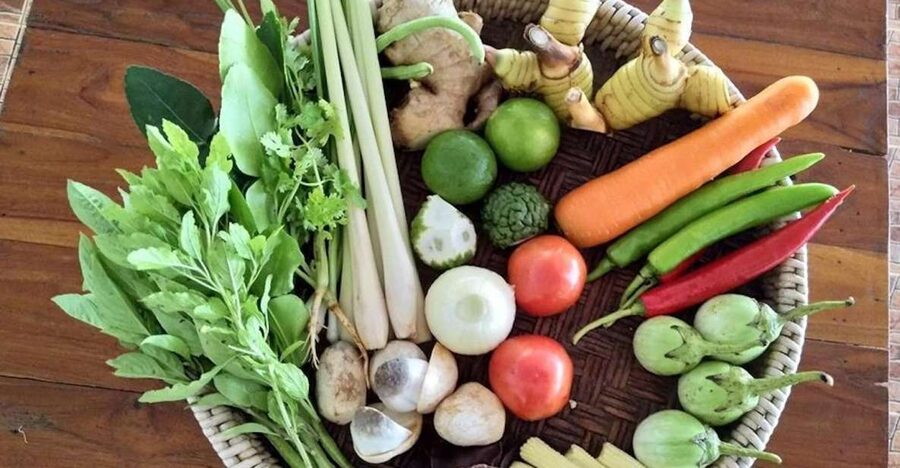
This is where the format surprises people—in a good way. You pick multiple dishes, and in small-group sessions, the total food can be more than you expect because cooking lines stay active and portions stay generous.
Your goal should be to cook enough that you can share. Even if you’re not planning a party, it’s smart to plan for leftovers. Thai cooking tastes best when you can reheat or pack it properly, and the class supports that by giving you takeaway options in many cases.
If you’re the kind of person who likes tasting new flavors but hates wasting food, this is an efficient way to do it.
Who should book this Krabi class
This experience is a strong fit if you want:
- Hands-on Thai cooking instruction with a small group
- A choice-driven menu (so you cook what you actually like)
- A clear explanation of herbs and spices, not just steps
- Something fun to do that also improves your home-cooking skills
It’s also a good option for food-focused couples or friends. With a class size up to 8, you still get interaction, but you don’t feel swallowed by a crowd.
Not ideal if:
- You need a low-heat, slow-paced experience. The wok station runs hot.
- You want only mild flavors and nothing sour or spicy—non-spicy options exist, but Thai balance often includes sour elements.
- You’re traveling with children under 12. The class isn’t suitable for children under 12.
Quick tips to make your day smoother
- Go hungry enough to enjoy the meal. If you eat breakfast heavily, you’ll likely struggle later.
- Wear comfortable shoes and breathable clothes. The wok area gets warm fast.
- Keep your bag situation simple. Large luggage isn’t allowed.
- Tell the instructor your spice level and diet. Vegetarian and non-spicy options are supported.
- Pick dishes with a theme. For example, do one curry + one noodle + one salad. You’ll learn faster because ingredients repeat across dishes.
Should you book the Krabi Traditional Thai Cooking Class?
If you’re serious about learning Thai flavor (not just taking photos), I’d book it. The value comes from three things: small-group attention, real ingredient instruction, and a recipe book you can use afterward. At $57, you’re paying for a whole meal experience plus cooking skills you can repeat.
Choose a time slot based on the dishes you want most, and plan your day so you’re not stuffed before class. If heat and big meals aren’t your thing, adjust what you wear and how you eat before you go—but don’t skip the class if you want a genuine, practical way to cook Thai at home.
FAQ
How long is the Krabi Traditional Thai Cooking Class?
The class lasts about 3.5 hours.
What dishes do I cook?
You choose four dishes per person from the available menu options, and the menu can differ slightly by time slot.
Is hotel pickup included?
Yes, hotel pickup and drop-off are included from Ao Nang hotels. Pickup for Klong Muang, Tubkaak, or Railay locations may require an additional fee.
Can I request vegetarian or non-spicy versions?
Yes. All dishes can be made vegetarian or non-spicy based on your preference.
What language is the instruction in?
The instructor speaks English.
How big is the group?
It’s a small group limited to 8 participants.
What should I bring, and can I bring luggage?
Wear comfortable shoes and comfortable clothes. Luggage or large bags are not allowed.
More Krabi Hands-On Classes
- Krabi: Cooking Class at Thai Charm Cooking School with Meal★ 4.9 · 430 reviews
- Ya Thai Cookery School Class in Krabi★ 5.0 · 292 reviews
- Ao Nang, Krabi: 90-Minute Muay Thai Lesson★ 4.7 · 146 reviews
- Krabi: Evening Thai Cooking Class at Ya’s Cookery★ 4.9 · 125 reviews
- Traditional Thai Cooking Class with Smart Cook★ 5.0 · 102 reviews
More from the Krabi Notebook
- Krabi: Hong Islands Day Trip by Speedboat with Lunch★ 4.5 · 3,952 reviews
- Krabi: Tiger Cave Temple, Emerald Pool and Hot Springs Tour★ 4.8 · 3,616 reviews
- From Krabi: Phi Phi Early Bird & 4 Islands by Speedboat★ 4.9 · 2,889 reviews
- Krabi: Kayak Adventure through Ao Thalane Mangrove Forest★ 4.6 · 2,024 reviews
- Krabi: Elephant Bathing Session at Krabi Elephant Shelter★ 4.9 · 2,021 reviews
More Krabi Kitchens to Cook In
- Krabi: Cooking Class at Thai Charm Cooking School with Meal★ 4.9 · 430 reviews
- Ya Thai Cookery School Class in Krabi★ 5.0 · 292 reviews
- Krabi: Evening Thai Cooking Class at Ya’s Cookery★ 4.9 · 125 reviews
- Traditional Thai Cooking Class with Smart Cook★ 5.0 · 102 reviews
- Small-Group Smart Thai Cooking Class in Krabi★ 5.0 · 90 reviews
More Krabi tours we have been through, start to finish





Krabi Thai Cooking Classes, compared.
 ★ 4.9Traditional Thai Cooking Class with Local ChefFrom $46537 reviews
 ★ 4.9Cooking Class at Thai Charm Cooking School with MealFrom $50430 reviews
 ★ 5.0Ya Thai Cookery School Class in KrabiFrom $45292 reviews
 ★ 4.8Authentic Thai Local Cooking ClassFrom $48291 reviews
 ★ 4.9Koh Lanta: Evening Course at Lanta Thai Cookery SchoolFrom $64202 reviews
 ★ 5.0Lanta Thai Cookery SchoolFrom $54155 reviews
 ★ 4.9Koh Lanta: Lunch Course at Lanta Thai Cookery SchoolFrom $57139 reviews
 ★ 4.9Evening Thai Cooking Class at Ya’s CookeryFrom $48125 reviews
Browse the lists this tour appears in