
REVIEW · KRABI THAI COOKING CLASSES
Hands on Half-day Cooking Class by Authentic Thai Cooking
Your knife learns Thai flavors fast. This Krabi class is interesting because you’re not just tasting Thai food—you’re building it, step by step, with a guide who keeps the whole thing practical. I especially liked the small-group setup and the feeling that this is a real family-style kitchen, not a rushed demo.
My other favorite part was the way the instructor turns ingredients into technique—her explanations make it easier to get the balance right, even when Thai flavors are new to you. One thing to consider: the market portion may not match your expectations every time, since some runs include a market stop and at least one booking didn’t.
In This Review
- Key Things I’d Prioritize
- A Half-Day Cooking Class That Feels Like Family Dinner
- Hotel Pickup and the School-to-Garden Rhythm in Krabi
- The Dishes You’ll Cook (and the Ones That Matter Most)
- The Market Stop: Worth It, But Confirm What You’ll Do
- Your Instructor and the Teaching Style That Makes It Work
- Garden-to-Plate Details You’ll Actually Remember
- What It’s Like to Eat the Results (and Why You Should Come Hungry)
- Learning Your Thai Pantry at Home with a PDF Recipe Book
- Transfers, Timing, and Why the Small Group Feels Worth It
- Is $37 Good Value for a Hands-On Meal Plan?
- Who This Cooking Class Is Best For
- Should You Book This Krabi Cooking Class?
- FAQ
- FAQ
- How long is the cooking class in Krabi?
- What is the price for the Hands-on Half-day Cooking Class?
- Do I get hotel pickup and drop-off?
- What dishes will I cook?
- Do I receive a recipe book to take home?
- Is a market tour part of the experience?
- What’s included in the price?
- Is alcohol included?
Key Things I’d Prioritize
- Small group (max 10) for real hands-on time, not just watching.
- Hotel round-trip transfers so you don’t burn vacation time finding the meeting point.
- Organic garden ingredients plus lessons on herbs and what they’re doing in the dish.
- A clear, English-friendly cooking flow with instructions and ingredients provided.
- A shareable PDF e-book so you can recreate your favorites at home.
- Big portions since you cook and eat multiple courses.
A Half-Day Cooking Class That Feels Like Family Dinner
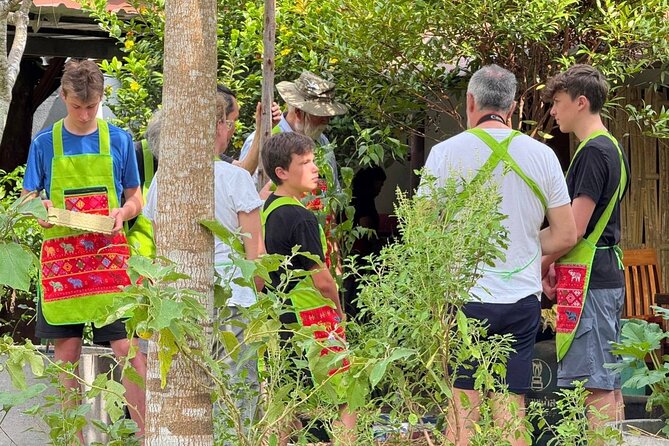
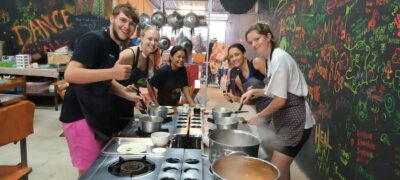
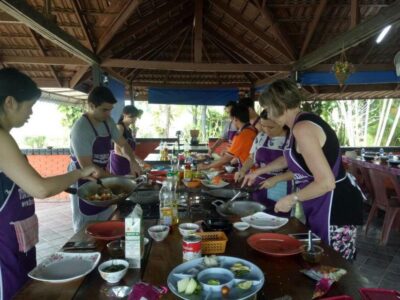
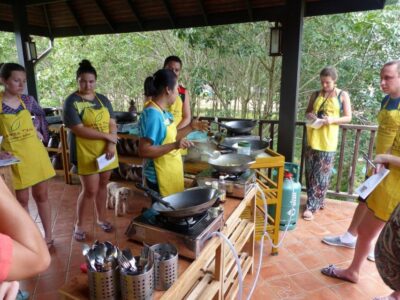
In Krabi, this isn’t the kind of tour where you stand back with a notebook and hope you catch everything. You’ll be cooking alongside your group, and the pace stays friendly enough to ask questions while you’re actually doing the work. The vibe is traditional family-style dining, and that matters because Thai cooking is built on tasting, adjusting, and learning flavors as you go.
The class is set up to be personal. With a maximum of 10 travelers, you’re less likely to feel lost, and more likely to get help when your paste is too thick or your balance needs tuning. That’s a big deal if you’re new to Thai food—or new to cooking beyond noodles and fried rice.
You’ll also benefit from round-trip transfers. Hotel pickup and drop-off mean fewer moving parts, less waiting around, and more time for the fun part: the food.
Taking the market-to-wok route home? More Krabi cooking classes to weigh up
- Krabi: Cooking Class at Thai Charm Cooking School with Meal
★ 4.9 · 430 reviews - Ya Thai Cookery School Class in Krabi
★ 5.0 · 292 reviews - Krabi: Traditional Thai Cooking Class
★ 4.8 · 175 reviews - Krabi: Evening Thai Cooking Class at Ya’s Cookery
★ 4.9 · 125 reviews
Hotel Pickup and the School-to-Garden Rhythm in Krabi
Your morning (or afternoon) starts with pickup from your hotel. Then it’s a short transfer to the cooking school, where you’ll settle into the teaching space and get oriented. The format is simple: you’ll learn, cook, eat, and then you’ll head back to your hotel when you’re done.
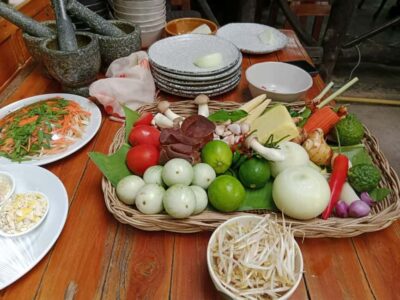
A key detail here is that this class is built around a kitchen garden. You’re not only receiving ingredients that have already been chopped and packed. You’ll have time to see some of the fresh greens and herbs connected to what you’re cooking, and that adds context to why Thai flavors taste the way they do.
If you’re pairing this with other Krabi plans (like snorkeling, beach time, or long tours), you’ll appreciate the “reset” feeling. One review compared it to taking a break from water activities and going straight into a cultural food experience. The timing is also short enough that it won’t swallow your whole day.
The Dishes You’ll Cook (and the Ones That Matter Most)
This class is built around a set menu of courses, with choices that keep things flexible. Everyone prepares a couple items, and everyone gets to cook and eat multiple dishes by the end.
Here’s what you can expect to cook:
- Appetizer: Deep-fried spring rolls (everyone prepares this).
This is a great choice because it teaches both handling and flavor building. You get to see how the filling works and how frying changes texture.
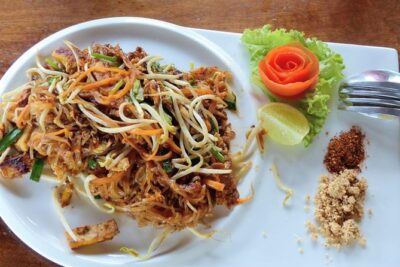
- Stir-fried dish: Choose among fried rice with chicken, Pad Thai, or fried chicken with holy basil.
This is where the balance of Thai seasoning really shows. You’ll see how quickly flavors come together when you have good aromatics and the right heat.
- Soup: Choose from hot & sour prawns soup, chicken in coconut milk soup, or local hot & sour chicken soup.
Thai soups can be tricky because they’re all about balance. You’ll learn how the sour, spicy, and savory parts fit together without tasting one-note.
- Curry paste: Choose among green curry, Pha Naeng, or Kao Soi curry paste.
Even when you’re not making everything from scratch in every run, you’ll still get the lesson on what makes that curry taste like itself.
- Curry: Cook your chosen curry with chicken.
This part helps you understand what changes after paste meets coconut milk, heat, and time.
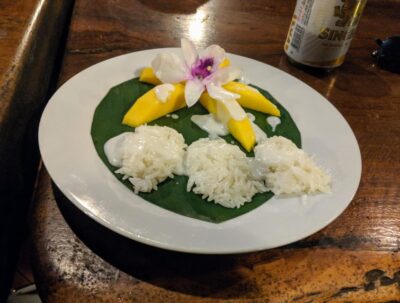
- Dessert: Sweet sticky rice with mango (everyone prepares this).
This gives the class a clean ending. You’ll see how texture and sweetness work together instead of just adding sugar.
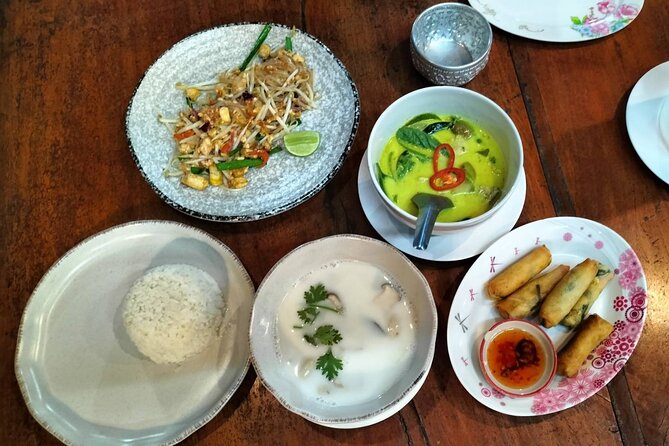
In real-world terms, this list is why the class feels valuable. You don’t just make one dish and call it a day. You’ll leave knowing how Thai meals are structured: snack, stir-fry, soup, curry, dessert.
The Market Stop: Worth It, But Confirm What You’ll Do
Many versions of this experience start with ingredient shopping at a local market. You might have your guide explain Thai vegetables, spices, and what to look for before you cook. One guide named Chris took shoppers to Maharaj Market, and it clearly set people up for success in the kitchen.
That said, not every booking follows the same flow. At least one person reported no market tour and was disappointed because the listing suggested a market visit. So here’s my practical advice: before you go, check whether your specific schedule includes a market stop, especially if that’s a major reason you booked.
If you’re the kind of traveler who likes to understand the “why” behind flavors, the market part can be the difference between a fun class and a lesson you remember. If you’re more focused on cooking hands-on, it still works, but you’ll want to be okay with the school-based portion being the main event.
Hands-on for an afternoon? More Krabi classes and workshops




Your Instructor and the Teaching Style That Makes It Work
A Thai cooking class lives or dies by the instructor. The best sessions feel patient and clear, with enough humor to keep things relaxed but enough technique to keep results consistent.
People talk about instructors who are fun and organized, including guides named New, Gataii, Ann, Mac, and Chris. That shared theme shows up in what you’ll actually experience: you’ll get step-by-step guidance, and you’ll be encouraged to use the right amounts and timing, not just guess.
You’ll also notice how instruction can be structured around taste and adjustment. Thai cooking relies on getting the balance right, and a good teacher doesn’t just hand you a recipe—they help you understand how changing one ingredient affects the whole dish.
If you’re traveling with kids or you want a low-stress cultural activity, this format can fit. One family even mentioned the instructor being very patient with young cooks, which tells me the class isn’t strictly for adults who already know kitchen rhythms.
Garden-to-Plate Details You’ll Actually Remember
Fresh ingredients aren’t just a nice idea here. They show up in how the class teaches Thai flavors. The school’s organic garden approach matters because it connects herbs and greens to their role in cooking. Seeing ingredients in their natural state makes it easier to recognize them later when you’re shopping or cooking at home.
You’ll also likely hear practical guidance about herbs and spices used in Thai dishes. Even if you can’t pronounce everything perfectly, you’ll learn how those aromatics behave when heated and how they shape the final taste.
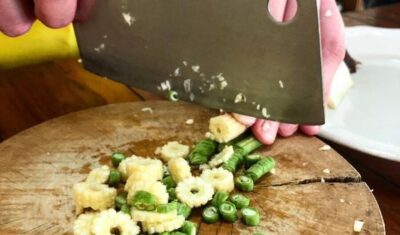
One detail I like: the class is designed to move you from ingredient recognition to technique fast. You’re not stuck watching forever. You’ll roll, stir, fry, and assemble, then sit down and eat what you made.
What It’s Like to Eat the Results (and Why You Should Come Hungry)
This is not a light snack class. You cook multiple courses, and you’ll eat them. People repeatedly mention getting full and leaving happy, which makes sense because the class includes appetizer, main-style dishes, soup, curry, and dessert.
That “come hungry” advice matters for two reasons:
1) You’ll actually enjoy each dish instead of forcing bites.
2) If you skip lunch first, you’ll have the energy to stay focused during the cooking steps.
If you’re the type to graze all day on vacation, I’d plan to eat something light beforehand. You want room for the spring rolls, curry, soup, and mango sticky rice without feeling like you’re in food debt.
Learning Your Thai Pantry at Home with a PDF Recipe Book
One of the biggest value-adds is the PDF recipe e-book you receive at the end. That gives you a way to recreate what you made without relying on memory or guessing ingredient ratios later.
Since it’s digital, it’s easy to share—useful if you’re cooking with family or you want a partner to follow along. It also makes the class more than a one-time meal. You get a tool you can use when you’re back in your own kitchen.
If you’ve ever bought a “Thai cooking class” DVD and then never used it, this format is the opposite. It’s directly tied to the dishes you cooked during your session.
Transfers, Timing, and Why the Small Group Feels Worth It
The experience runs about 3 hours 30 minutes, give or take. That’s a realistic half-day window. Long enough to learn several dishes, short enough to still enjoy Krabi the same day.
The group size cap of 10 travelers is a hidden benefit. With more people, instructors can struggle to correct mistakes. Here, you’re more likely to get attention at the moments that matter: when your paste needs adjusting, when your stir-fry needs timing, or when your soup balance needs a tweak.
Also, the schedule includes hotel pickup and drop-off, which saves your brain. You don’t have to coordinate rides or worry about finding the school at the right time. That’s especially valuable in places where traffic and weather can change your timeline quickly.
One more logistics note: some people recommend using WhatsApp for communication around pickup and drop-off. If your hotel is complicated to find, having a messaging channel ready can reduce stress.
Is $37 Good Value for a Hands-On Meal Plan?
At about $37 for roughly three and a half hours, this class is good value when you look at what you get: transfers, English-friendly ingredients and instructions, multiple cooked courses, and a PDF recipe book. Many cooking experiences charge far more for a similar amount of food, and some still don’t include pickup.
You’re also paying for outcomes, not just the lesson. The end result is you eat what you cooked. That makes it feel like a real cultural activity rather than a ticket to watch someone else cook.
What’s not included is alcoholic beverages. If you want drinks with dinner afterward, plan to pay for them separately.
Who This Cooking Class Is Best For
This works best if you want more than a photo-op meal. You’ll likely enjoy it if you:
- like cooking and want a real technique-focused class
- want a break from beaches and snorkeling
- enjoy markets, ingredients, and learning what flavors actually come from
- want a small-group experience where you can ask questions
It’s also a good fit for families, since the class has handled children well in at least one reported experience. If you’re traveling with kids, though, keep your expectations realistic: this is still cooking with heat and timing.
Should You Book This Krabi Cooking Class?
Book it if you want a hands-on Thai cooking experience with small-group attention, hotel transfers, and the chance to cook several signature dishes (including spring rolls and mango sticky rice). The market-and-garden ingredient focus can make the lesson feel grounded in real Thai food culture.
Skip or at least confirm details first if you’re specifically booking for a long market tour, since some schedules include it and others may not. Also, go in hungry and ready to eat. This class doesn’t hold back on portions.
If you like the idea of leaving Thailand with a recipe book you can actually use, this one has that practical payoff.
FAQ
FAQ
How long is the cooking class in Krabi?
It lasts about 3 hours 30 minutes (approx.).
What is the price for the Hands-on Half-day Cooking Class?
The price is $37.
Do I get hotel pickup and drop-off?
Yes. Hotel round-trip transfer is included.
What dishes will I cook?
You will cook multiple courses including deep-fried spring rolls (everyone), plus a stir-fried dish (options include fried rice with chicken, Pad Thai, or fried chicken with holy basil), soup (options include hot & sour prawns soup or coconut milk soup), curry paste (green curry, Pha Naeng, or Kao Soi curry paste), curry with chicken, and sweet sticky rice with mango (everyone).
Do I receive a recipe book to take home?
Yes. You receive a PDF version recipe book online that you can share.
Is a market tour part of the experience?
The experience may include a local market ingredient stop, but it is not guaranteed based on the information provided. If a market tour is important to you, confirm it before you go.
What’s included in the price?
Included: hotel round-trip transfer, free drinking water, ingredients and instructions in English, and the recipe e-book.
Is alcohol included?
No. Alcoholic beverages are not included.
More Krabi Hands-On Classes
- Krabi: Cooking Class at Thai Charm Cooking School with Meal★ 4.9 · 430 reviews
- Ya Thai Cookery School Class in Krabi★ 5.0 · 292 reviews
- Krabi: Traditional Thai Cooking Class★ 4.8 · 175 reviews
- Ao Nang, Krabi: 90-Minute Muay Thai Lesson★ 4.7 · 146 reviews
- Krabi: Evening Thai Cooking Class at Ya’s Cookery★ 4.9 · 125 reviews
More from the Krabi Notebook
- Krabi: Hong Islands Day Trip by Speedboat with Lunch★ 4.5 · 3,952 reviews
- Krabi: Tiger Cave Temple, Emerald Pool and Hot Springs Tour★ 4.8 · 3,616 reviews
- From Krabi: Phi Phi Early Bird & 4 Islands by Speedboat★ 4.9 · 2,889 reviews
- Krabi: Kayak Adventure through Ao Thalane Mangrove Forest★ 4.6 · 2,024 reviews
- Krabi: Elephant Bathing Session at Krabi Elephant Shelter★ 4.9 · 2,021 reviews
More Krabi Kitchens to Cook In
- Krabi: Cooking Class at Thai Charm Cooking School with Meal★ 4.9 · 430 reviews
- Ya Thai Cookery School Class in Krabi★ 5.0 · 292 reviews
- Krabi: Traditional Thai Cooking Class★ 4.8 · 175 reviews
- Krabi: Evening Thai Cooking Class at Ya’s Cookery★ 4.9 · 125 reviews
- Traditional Thai Cooking Class with Smart Cook★ 5.0 · 102 reviews
More Krabi tours we have been through, start to finish





Krabi Thai Cooking Classes, compared.
 ★ 4.9Traditional Thai Cooking Class with Local ChefFrom $46537 reviews
 ★ 4.9Cooking Class at Thai Charm Cooking School with MealFrom $50430 reviews
 ★ 5.0Ya Thai Cookery School Class in KrabiFrom $45292 reviews
 ★ 4.8Authentic Thai Local Cooking ClassFrom $48291 reviews
 ★ 4.9Koh Lanta: Evening Course at Lanta Thai Cookery SchoolFrom $64202 reviews
 ★ 4.8Traditional Thai Cooking ClassFrom $57175 reviews
 ★ 5.0Lanta Thai Cookery SchoolFrom $54155 reviews
 ★ 4.9Koh Lanta: Lunch Course at Lanta Thai Cookery SchoolFrom $57139 reviews
Browse the lists this tour appears in