
REVIEW · KO LANTA & EMERALD CAVE TRIPS
Koh Lanta: Lunch Course at Lanta Thai Cookery School
Thai cooking, minus the tourist rush. This Koh Lanta lunch course pairs a calm garden walk with real, hands-on cooking in a teak-wood house inland from Long Beach.
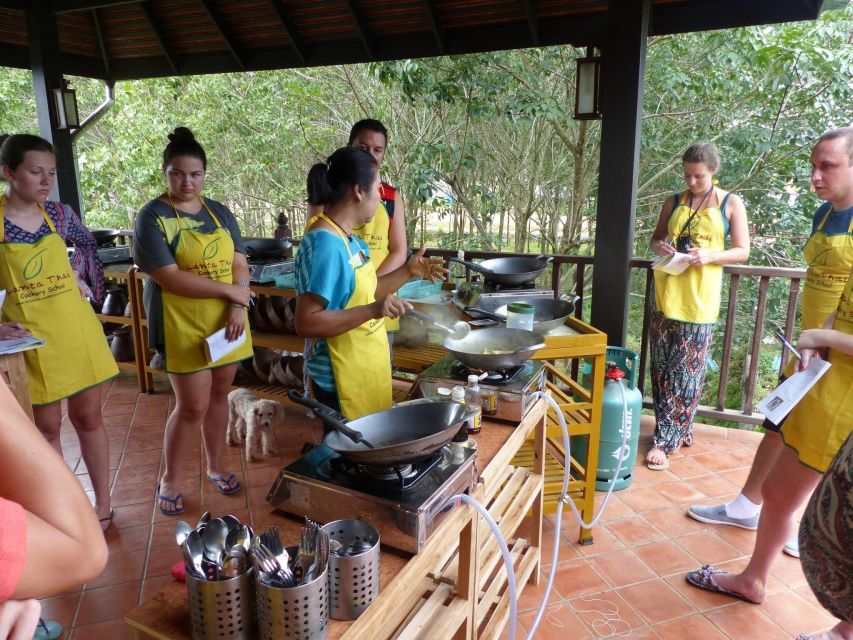
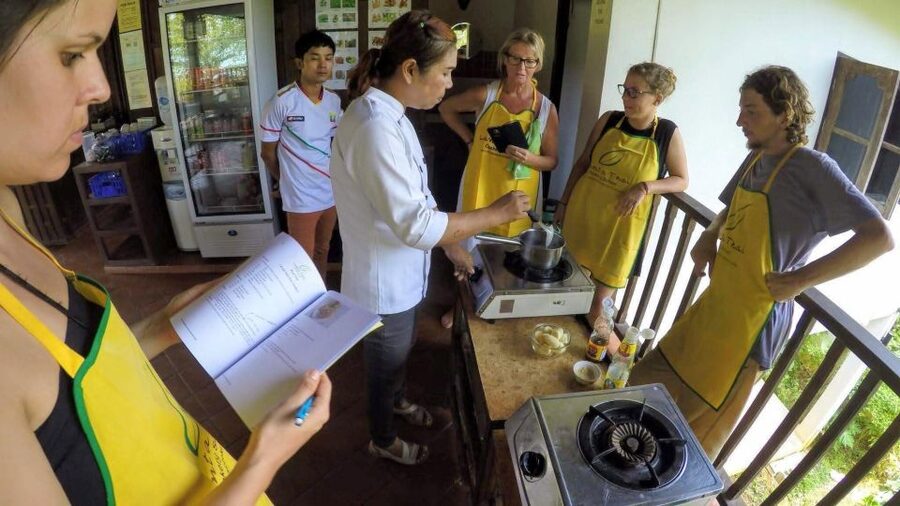
I especially like the small group size (up to 12), which keeps the class friendly and lets the chefs correct your technique before your pad thai or curry paste goes sideways. Another highlight: you actually cook everything individually, and you’ll choose 4 dishes from a menu of 10 to eat as a proper lunch. One thing to consider is that the final dish set is chosen together, so if you’re hoping for a very specific combo, you may not get your top pick.
In This Review
- Key Things You’ll Want to Know Up Front
- Getting There: Hotel Pickup That Starts the Day Calm
- The Setting: Teak-Wood House and an On-Site Organic Garden
- Welcome Drink to Chef Tips: Where the Class Gets Practical
- Choosing Your Four Dishes From the Menu of Ten
- Garden-to-Plate Cooking: What “Hands-On” Really Means Here
- When you’re making curry pastes
- When you’re cooking stir-fries and noodles
- Soup and sour-salty learning (Tom Yam)
- Desserts: the sweet finish that teaches texture
- Lunch Break (Sort Of): Your Meal, Your Portions, Your Results
- Certificate and Take-Home Value: A Souvenir You Can Actually Use
- Price and Value: What You Really Get for $57
- Who Should Book This Class (and Who Might Skip It)
- Should You Book Lanta Thai Cookery School’s Lunch Course?
- FAQ
- How long is the Koh Lanta lunch cooking course?
- Is hotel pickup and drop-off included?
- How many dishes will I cook?
- Can I request vegetarian food or other dietary adjustments?
- Is there a garden tour before cooking?
- Is the cooking hands-on or mostly watching?
- What should I bring, and is luggage allowed?
- Can I cancel for a full refund, and can I pay later?
Key Things You’ll Want to Know Up Front
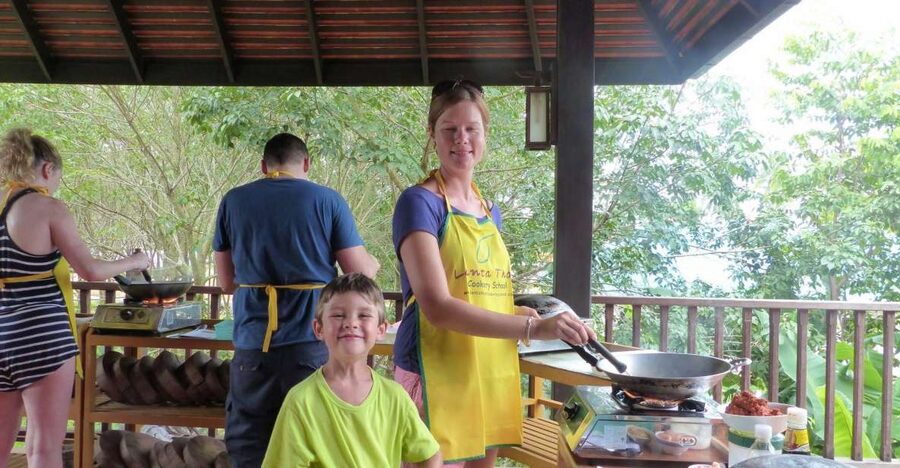
- Up to 12 students means more time at your station, not just watching
- Garden tour first so herbs, spices, and veggies feel connected to the recipes
- Chefs Aon and Chien guide you step-by-step, including key paste work for some curries
- Pick 4 dishes from 10 for variety without spending your whole day cooking
- You leave with a certificate and boxes for leftovers, so lunch becomes a souvenir
Getting There: Hotel Pickup That Starts the Day Calm
This class is designed to be easy on logistics. You can get round-trip hotel transfer by songtaew (that shared, passenger pickup truck that’s common in Thailand) along the main road on Koh Lanta between Saladan and Kantiang Bay. Your exact pickup time gets confirmed by email after you book, so check that message and set your alarm early enough to avoid the usual island scramble.
Once you arrive, the vibe is not “line up and rush.” It’s more like: show up, get settled, and get cooking. You’ll start with a welcome drink, then the chef sets the tone with practical cooking guidance—how to think about Thai flavors and how to translate that into a dish you can reproduce later.
A key detail: you’re not dealing with heavy hauling. Luggage or large bags aren’t allowed, so travel light. I’d bring a small day bag for water and your camera, not your entire wardrobe.
Basing yourself down on Lanta? These Emerald Cave and island days pair well
- Koh Lanta: Adventure Sea Tour to Koh Rok and Koh Haa
★ 4.7 · 828 reviews - Koh Lanta: 4 Islands, Emerald Cave & Koh Kradan by Longtail
★ 4.4 · 766 reviews - Koh Lanta: 4 Islands and Emerald Cave Tour by Longtail Boat
★ 4.5 · 507 reviews - Ko Lanta: Mangrove Kayaking, Ko Talabeng, & Skull Island
★ 4.9 · 494 reviews
The Setting: Teak-Wood House and an On-Site Organic Garden
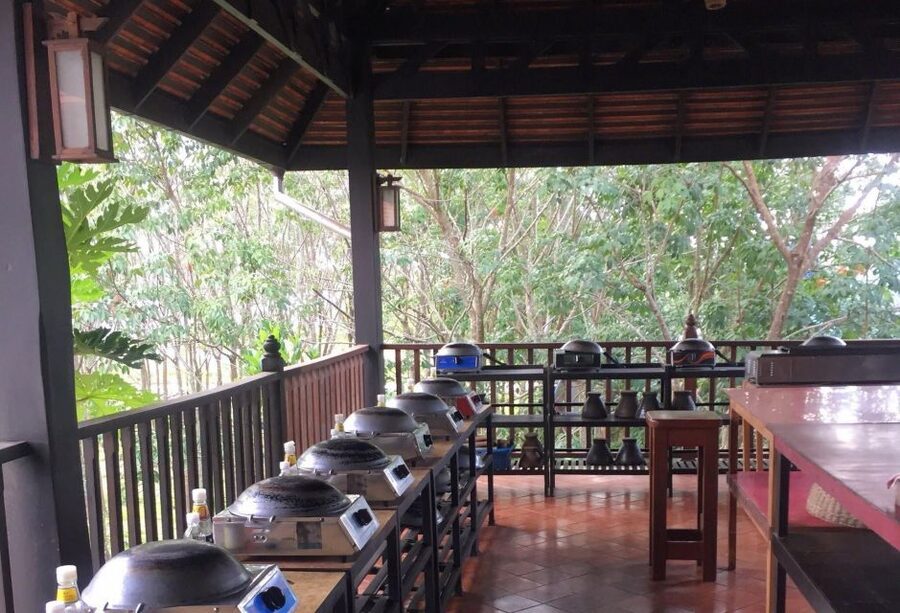
The lunch course runs in a spacious teak-wood house inland, south of Phra Ae Beach (Long Beach). Why that matters: you’re away from the noise of the beach road, but you still get to enjoy a Thai cooking experience that feels grounded in place.
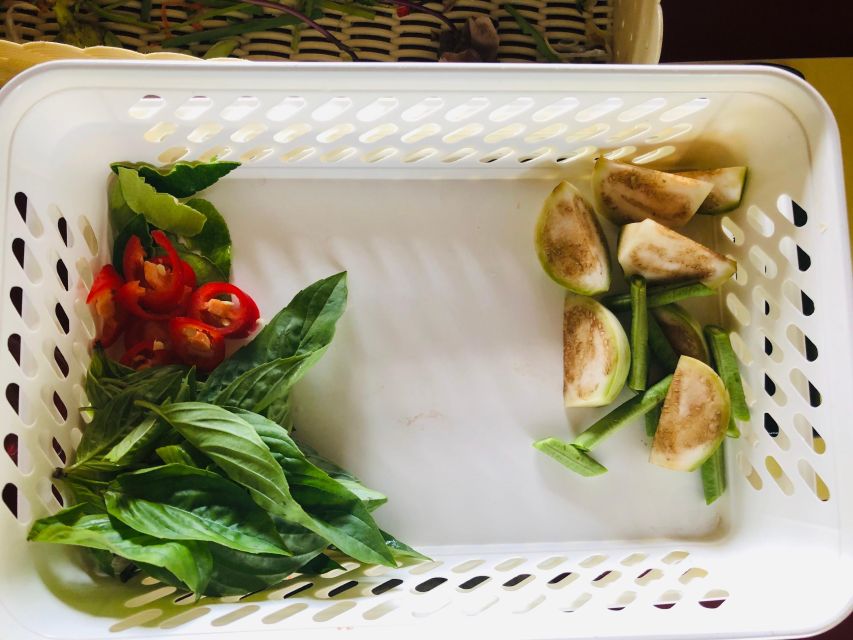
The best sensory warm-up comes next—the garden tour. You’ll walk through an on-site organic garden to see herbs, spices, and vegetables used in the class. This is more than a nice walk. When you can point at the plant you’re chopping, the recipe makes more sense. Later, when you’re cooking at home and you’re trying to remember what that smell is supposed to be, the memory clicks faster.
And yes, the ingredients are meant to connect to your cooking. The class focuses on what matters for flavor: the balance of fresh herbs, aromatics, and spice blends that Thai cooking is famous for.
Welcome Drink to Chef Tips: Where the Class Gets Practical
After pickup and a welcome drink, you’ll get instructions from the cooking team. The course is taught by Thai chefs including Chef Aon and Chef Chien, and the teaching style is very hands-on. In real life, you’ll probably hear lots of practical tips like when to move on from chopping to cooking, how to taste as you go, and how to adjust for your own spice comfort.
Language support is there too. The instruction is available in English and Thai, which helps if Thai food terms are new to you.
This is also where you’ll sort out how you want your meal. The class supports customization, including vegetarian requests and your preferred spice level. You’ll get a cooking plan that adapts to your choices instead of making you force your way through a dish you can’t enjoy.
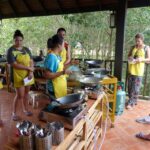
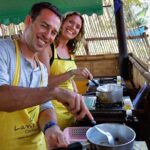
One more important “how this works” note: all preparing and cooking is done individually. You’re not stuck waiting for the group to finish so one person can stir the pot. You’ll work through the steps yourself.
Choosing Your Four Dishes From the Menu of Ten
Here’s where the course becomes fun—and where the one drawback can show up. The menu lets your group choose 4 dishes out of 10, and the exact options change by course. Because the selection is group-chosen, you may not cook your perfect fantasy line-up if your friends in the group vote for something else. Still, the menu is varied enough that you should end up with a good spread.
The dish list includes:
- Tom Yam (with chicken, seafood, or prawns)
- Golden cup (chicken and vegetables)
- Phad Thai (chicken, seafood, prawns, or tofu) with a special sauce
- Stir-fried chicken or seafood with cashew nuts
- Green Curry (with chicken or seafood, including paste preparation)
- Panang Curry (with chicken, including paste preparation)
- Thai beef salad
- Khao Soi (with chicken or tofu)
- Stir-fried chicken or seafood with hot basil leaves
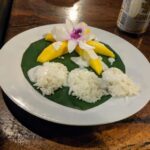
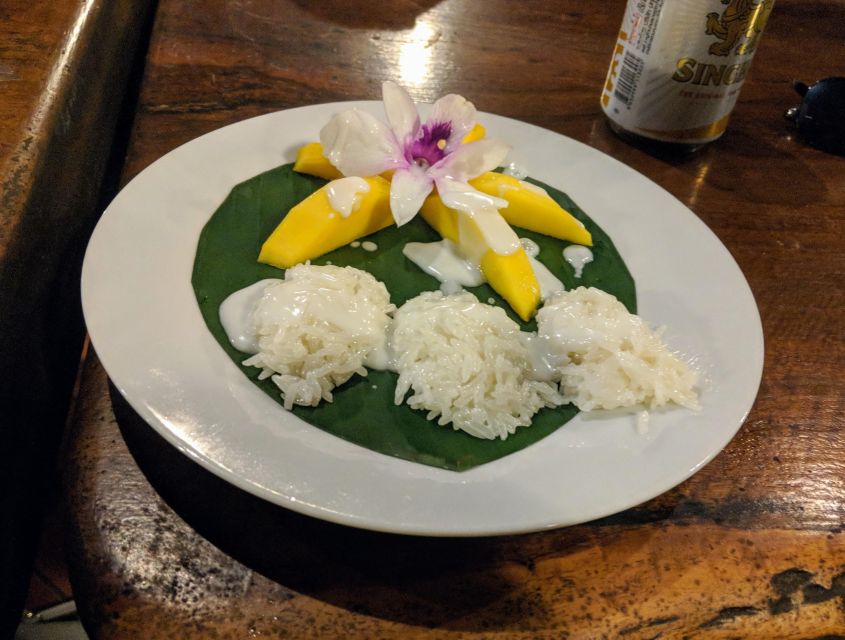
- Poached banana in coconut milk
That mix matters. You’re not just learning “one Thai dish.” You’re getting exposure to different Thai cooking styles: soups, stir-fries, noodle dishes, and curries. You also get both quick builds and deeper flavor builds where pastes play a role.
Vegetarian and even vegan-friendly options are available on request. If you want non-spicy or as spicy as you’d like, you can usually set that in advance during the class. One traveler who mentioned gluten-free needs reported adaptations happening during the course too, so if you have dietary restrictions beyond vegetarian/vegan, it’s worth asking when you book.
Taking the market-to-wok route home? More Krabi cooking classes to weigh up

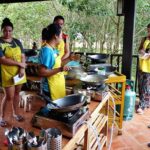
Garden-to-Plate Cooking: What “Hands-On” Really Means Here
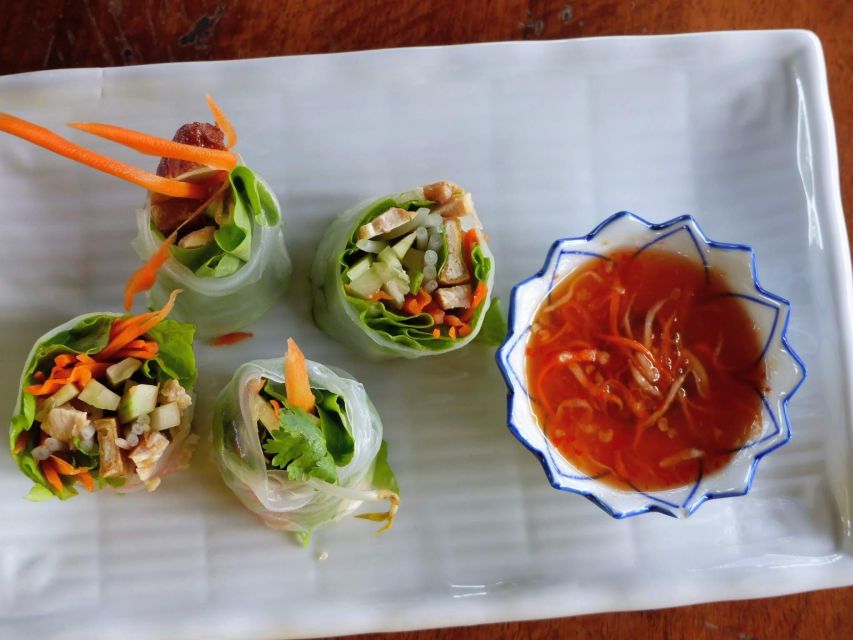
The heart of this class is the cooking itself. And because the work is done individually, it feels like a real skill-building session, not a performance.
When you’re making curry pastes
Some dishes include preparation of the paste—not just adding a ready-made sauce. That’s a big deal if you want to cook Thai at home later. Pastes are where aroma, heat, and depth get built. You’ll see the ingredients come together and understand what each component contributes, even if you don’t memorize every spice name on the spot.
Green Curry and Panang Curry both include this paste step, so if you care about the “Thai flavor engine,” pick one of those dishes when it’s offered.
When you’re cooking stir-fries and noodles
For dishes like Phad Thai and basil stir-fries, you’ll focus more on timing and balance. Thai cooking often means doing things fast but intentionally—hot pan, proper order, and tasting so you don’t end up with something flat or overly sweet.
The class includes noodles and stir-fry elements like special sauce for Phad Thai and cashew crunch for the cashew dish. These help you learn how Thai flavors are layered rather than dumped.
Soup and sour-salty learning (Tom Yam)
Tom Yam is often the dish people remember because it tastes complex without being complicated once you understand the logic. You’ll get exposure to a soup style that highlights sourness, aromatics, and warmth.
Pick the protein option you want—chicken, seafood, or prawns—then cook it with the rest of your team while you learn how to manage flavor rather than only technique.
Desserts: the sweet finish that teaches texture
Poached banana in coconut milk isn’t just dessert. It’s a chance to learn gentle heat and how coconut sweetness and soft fruit texture work together.
And when you’re leaving full, dessert becomes the proof that you handled the whole meal, not just the savory parts.
Lunch Break (Sort Of): Your Meal, Your Portions, Your Results
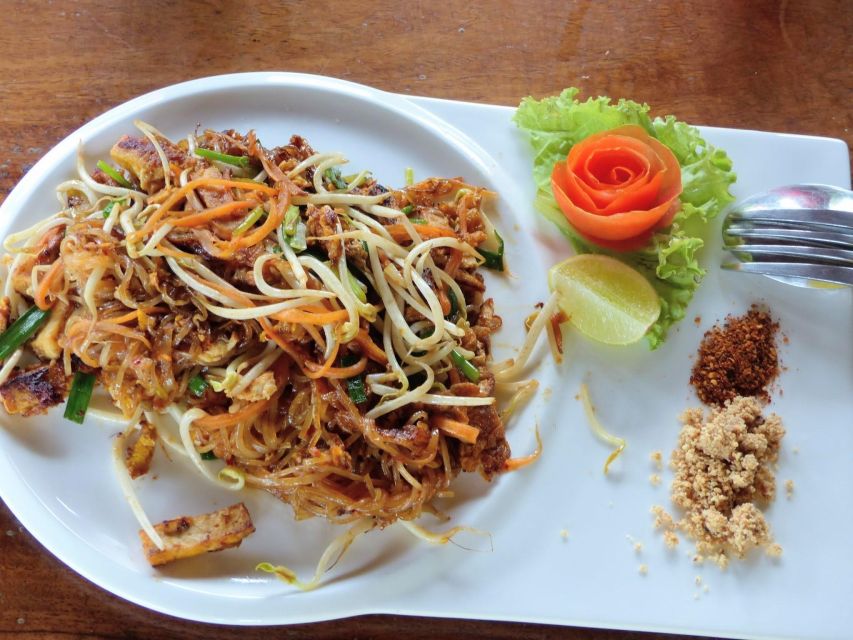
By the end, you’ll have a full lunch: the dishes you cooked, eaten together. This part matters more than you might think. A cooking class is supposed to be the bridge between instructions and real results, and tasting your own food is where you learn.
You’ll also have water and coffee or tea included, plus fruits and rice as part of the meal setup. The course also comes with a cooking book, which is helpful if you want to recreate what you made later. The book won’t replace the class (nothing does), but it keeps your notes from becoming a memory you lose by day five.
And yes, you’ll be able to take leftovers home. That’s great if you’re cooking for more than two people at home, or if you just don’t want to throw away food you worked for.
Certificate and Take-Home Value: A Souvenir You Can Actually Use
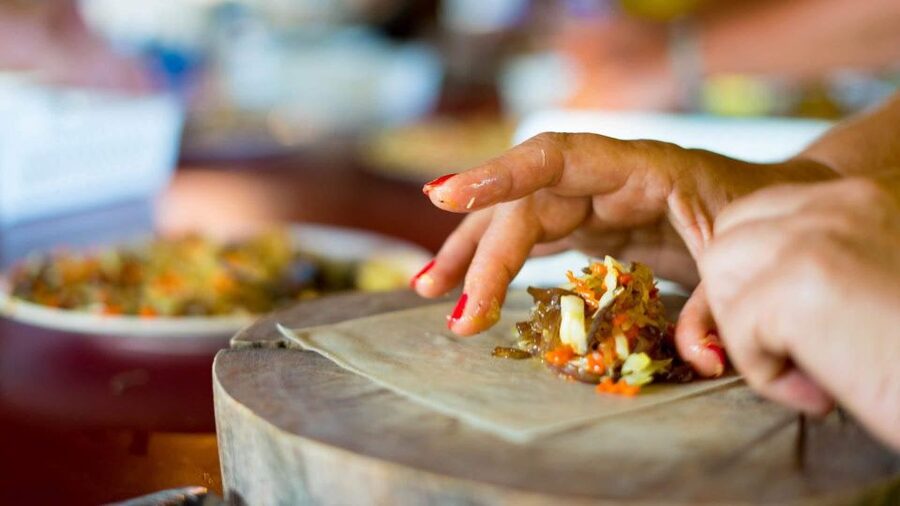
At the end of the class, you receive a cooking certificate. It’s a nice touch, but the real value is what you leave with beyond paper.
- You get a cooking book so you can repeat the dishes later
- You can bring leftovers home, which often means you eat one extra home-cooked meal without shopping
- You learn spice customization in practice, so you’re not stuck with a single heat level
Small-group sessions can sometimes feel like a chat with cooking advice. Here, the goal is tangible competence: you should be able to explain what you did and why it worked, then recreate it with Thai ingredients you can find later.
Price and Value: What You Really Get for $57
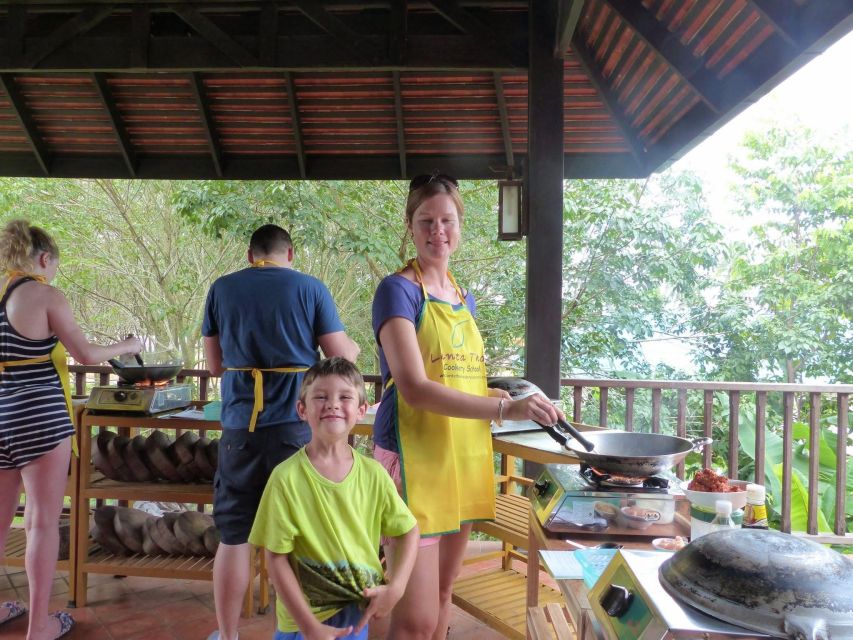
At $57 per person for a 4-hour lunch course, you’re paying for a full package: transfers, ingredients, instruction, and the infrastructure to cook multiple dishes without the shopping and cleanup.
Here’s why it can feel like good value:
- Hotel round-trip transfer is included, which removes a big headache on Koh Lanta
- You get drinks, fruits, rice, and what you cook—so you’re not paying lunch money separately
- You receive a cooking book and certificate
- The small group size (up to 12) helps you get more direct attention than the cheaper “big group demo” style classes
Could it cost more than grabbing lunch and eating on the beach? Sure. But if you want more than eating—if you want skills—this becomes the kind of experience that pays back on future dinners at home.
The only “value watch” is your dish choice. Since you pick 4 dishes together, make peace with the group decision and use it to broaden your cooking experience. If you come hoping for one exact dish only, this setup might feel limiting.
Who Should Book This Class (and Who Might Skip It)
This is a great fit if you:
- Like hands-on lessons and want to cook your own lunch
- Want Thai cooking techniques you can repeat at home, including curry paste work
- Appreciate a small group setting with a patient instructor approach
- Need a rainy-day friendly activity (the class setting is inland and not tied to weather)
It may be less ideal if you:
- Really want total control over what you cook (the group chooses the 4 dishes)
- Hate the idea of cooking alongside others, even if you cook individually
- Are traveling with lots of luggage (large bags aren’t allowed)
Children can take part, and there’s a clear rule: kids can choose only two dishes. The class isn’t suitable for children under 2 years.
Should You Book Lanta Thai Cookery School’s Lunch Course?
If you want an authentic Koh Lanta experience that’s active, structured, and genuinely useful after the trip, I’d book it. The combination of garden context, chef-led instruction, and individual hands-on cooking makes this feel like skill-building, not just a meal.
Do it especially if:
- You’re aiming to bring home a practical Thai “toolkit”
- You like curry pastes, noodle dishes, or want a balanced menu across soup, stir-fry, curry, and dessert
- You want a small-group class where your questions don’t get lost
Skip or rethink it only if your main goal is scenery or a purely relaxed cultural show. This is about cooking—so come hungry, wear breathable clothes, and plan to leave with more than memories.
FAQ
How long is the Koh Lanta lunch cooking course?
It lasts 4 hours.
Is hotel pickup and drop-off included?
Yes. You get round-trip transfer by songtaew from your hotel on Koh Lanta along the main road between Saladan and Kantiang Bay.
How many dishes will I cook?
You’ll cook 4 dishes, chosen collaboratively from a selection of 10.
Can I request vegetarian food or other dietary adjustments?
Yes. The course says all dishes can be made vegetarian per request, and in general dishes can be made vegetarian, vegan, non-spicy, or as spicy as you’d like depending on your preferences.
Is there a garden tour before cooking?
Yes. You’ll take a tour of the garden to see herbs, spices, and vegetables.
Is the cooking hands-on or mostly watching?
It’s hands-on. The info states that all preparing and cooking is done individually.
What should I bring, and is luggage allowed?
Bring breathable clothing. Luggage or large bags aren’t allowed.
Can I cancel for a full refund, and can I pay later?
You can cancel up to 24 hours in advance for a full refund. You can also reserve now & pay later.
More from the Krabi Notebook
- Koh Lanta: Adventure Sea Tour to Koh Rok and Koh Haa★ 4.7 · 828 reviews
- Ko Lanta: Half-Day Mangrove Kayaking Tour with Lunch★ 4.7 · 806 reviews
- Koh Lanta: 4 Islands, Emerald Cave & Koh Kradan by Longtail★ 4.4 · 766 reviews
- Koh Lanta: 4 Islands and Emerald Cave Tour by Longtail Boat★ 4.5 · 507 reviews
- Ko Lanta: Mangrove Kayaking, Ko Talabeng, & Skull Island★ 4.9 · 494 reviews
More Krabi Kitchens to Cook In
- Koh Lanta: Evening Course at Lanta Thai Cookery School★ 4.9 · 202 reviews
- Lanta Thai Cookery School★ 5.0 · 155 reviews
- Half Day Lanta Thai Cookery School From Koh Lanta★ 5.0 · 15 reviews
- Cooking Class and Market Tour at Lanta Thai Cookery School on Koh Lanta★ 5.0 · 14 reviews
- Cooking Experience at Lanta Thai Cookery School From Koh Lanta★ 4.5 · 14 reviews
More Days out of Ko Lanta
- Koh Lanta: Adventure Sea Tour to Koh Rok and Koh Haa★ 4.7 · 828 reviews
- Ko Lanta: Half-Day Mangrove Kayaking Tour with Lunch★ 4.7 · 806 reviews
- Koh Lanta: 4 Islands, Emerald Cave & Koh Kradan by Longtail★ 4.4 · 766 reviews
- Koh Lanta: 4 Islands and Emerald Cave Tour by Longtail Boat★ 4.5 · 507 reviews
- Ko Lanta: Mangrove Kayaking, Ko Talabeng, & Skull Island★ 4.9 · 494 reviews
More Krabi tours we have been through, start to finish






Ko Lanta & Emerald Cave Trips, compared.
 ★ 4.7Koh Lanta: Adventure Sea Tour to Koh Rok and Koh HaaFrom $55828 reviews
 ★ 4.7Half-Day Mangrove Kayaking Tour with LunchFrom $26806 reviews
 ★ 4.4Koh Lanta: 4 Islands, Emerald Cave & Koh Kradan by LongtailFrom $35766 reviews
 ★ 4.5Koh Lanta: 4 Islands and Emerald Cave Tour by Longtail BoatFrom $35507 reviews
 ★ 4.9Mangrove Kayaking, Ko Talabeng, & Skull IslandFrom $63494 reviews
 ★ 4.7From Koh Lanta: Koh Haa & Koh Rok Snorkel Tour by SpeedboatFrom $54403 reviews
 ★ 4.8Ko Lanta Yai: Half-Day Ethical Elephant Sanctuary TourFrom $78338 reviews
 ★ 4.14 Islands Snorkeling Tour by Longtail BoatFrom $31297 reviews
Browse the lists this tour appears in