
REVIEW · KRABI ELEPHANT SANCTUARIES
Krabi: Elephant Feeding Program
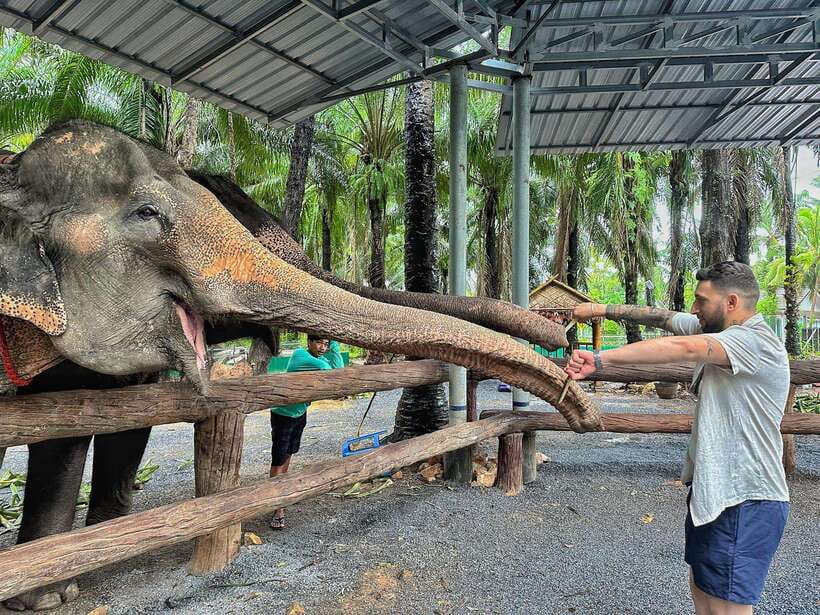
Hand-feeding elephants changes your pace. In Krabi, this 30-minute shelter visit pairs guided elephant behavior lessons with hands-on meal prep and hand-feeding. I also like that you’re shown how to act around elephants, guided by caretakers, not just dropped in front of animals. The main drawback to weigh is that the experience runs rain or shine, so you’ll want grippy shoes and quick-dry clothes.
What makes this one feel especially human is the focus on routine and respect: you meet the elephants and the people who care for them, then learn the practical steps of preparing a fruit-and-more meal before feeding from your hands. The “short and sweet” format helps you spend more time with the elephants and less time stuck waiting, and that matters when you’re on vacation. Still, if you’re hoping for a long, hands-on deep day with lots of walking and lounging, this is built for something tighter.
In This Review
- Key things I’d circle on your Krabi elephant plan
- Krabi Elephant Shelter and what this 30-minute visit really means
- Getting there from Ao Nang and Klong Muang without adding stress
- Your first moments: sanctuary check-in and behavior rules that matter
- Preparing the fruit-and-more meal with caretakers (and protein balls)
- Hand-feeding time: learning personality, reading signals, and taking photos the right way
- Price and value: does $27 make sense for a 30-minute shelter visit?
- Who this is best for (and who should skip)
- Should you book the Krabi Elephant Feeding Program?
- FAQ
- How long is the Krabi Elephant Feeding Program?
- Where does the tour meet?
- Does the tour include hotel pickup?
- What’s included in the price?
- Are meals included?
- Does the tour run in the rain?
- Is a photographer included?
- Who is the tour not suitable for?
Key things I’d circle on your Krabi elephant plan
- A retirement-focused sanctuary setting where rescued and retired elephants live, with caretakers supervising daily care
- A hands-on meal workshop where you prepare fruit-and-more (some groups make protein balls too)
- Proper behavior coaching so you know how to approach, feed, and stay calm around large animals
- Hand-feeding time from a calm setup, designed so you can observe personality and routines
- Short duration that keeps it manageable, letting you get meaningful time without an all-day commitment
Krabi Elephant Shelter and what this 30-minute visit really means
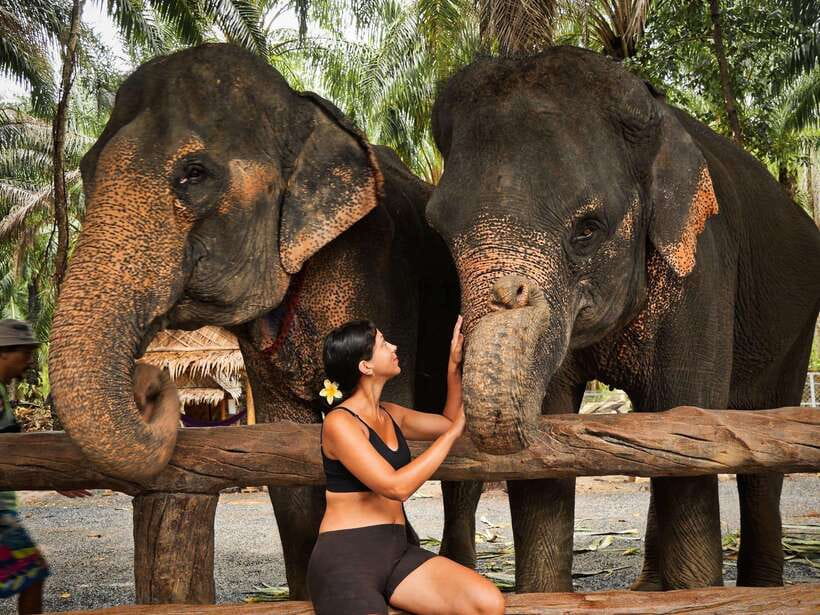
This is a shelter-based elephant experience in Krabi, focused on retired and rescued Asian elephants. The big takeaway is that you’re not doing a ride or a show. Instead, you’re visiting a place that houses elephants coming out of tourism and logging, and the emphasis is on care, not performance.
The 30 minutes is short on paper, but it works because the activity is tightly organized around one moment: meeting the elephants, preparing food, then feeding. You’re guided by an English-speaking guide and the elephant caretakers, so you’re not left to guess what’s safe or what’s expected.
I also like that the experience is framed as learning. You’ll hear about elephant behavior and history, and you’ll notice personality in a way you can’t get from watching. Even within a brief session, elephants have distinct reactions—some approach more readily, some hang back, and you’ll learn what that can mean in calmer body-language terms.
A final reality check: “30 minutes” usually means the elephant part is concentrated. You’ll still spend some time transitioning at the shelter, meeting staff, and getting briefed. So you’ll leave with memories and a real connection, but it’s not the kind of program where you wander all day and snack forever.
Meeting the elephants? A few more Krabi sanctuary visits worth reading first
- Krabi: Elephant Sanctuary (near Ao Nang) Visit
★ 4.9 · 1,036 reviews - Krabi: Highlights Tour with Krabi Elephant Shelter
★ 5.0 · 131 reviews - Krabi: Elephant Feeding Program
★ 4.8 · 102 reviews - Krabi Elephant bathing and Atv adventure (30min/30min)
★ 4.4 · 9 reviews
Getting there from Ao Nang and Klong Muang without adding stress
Most days in Krabi are about moving fast between beaches and viewpoints. This tour helps because it includes hotel transfer from the Ao Nang, Klong Muang, and Nopparat Thara areas. That removes one of the biggest headaches of visiting an animal sanctuary: figuring out transport at the exact time slot you booked.
You’ll also have an English-speaking guide, which matters because this isn’t a casual “walk up and go” situation. You want to understand feeding cues, how to handle the food, and what caretakers ask you to do.
Duration-wise, you’ll be working around the shelter’s schedule. Since it says you should check availability for starting times, plan your day so you’re not rushing from one thing to another. If you build in buffer time, you’re more likely to enjoy the experience instead of thinking about your next stop the whole time.
And yes, it runs rain or shine. That affects how you dress more than anything else. Even if it’s just a light drizzle, the ground can get slick and the air can feel damp. I’d rather show up comfortably prepared than treat the elephant feeding like an improvised mud mission.
Your first moments: sanctuary check-in and behavior rules that matter

The experience starts when you meet at Krabi Elephant Shelter. From there, you’ll be guided through the sanctuary setting and introduced to the people who care for the elephants. This is where the visit becomes more than a photo opportunity.
You’ll learn how to behave around Asian elephants, with instruction from your guide and caretakers. In practice, this is about calm movements, correct spacing, and knowing how feeding works safely. You’re not just told “be gentle.” You’re taught what to do with your hands and how to stay composed when the elephants come close.
This coaching is valuable because it protects you and it protects the elephants. Big animals can react quickly if something feels chaotic. When the caretaker routine is clear—stand here, wait, offer food in a set way—the interaction stays orderly.
One of the best signs from the overall feedback is that the staff are friendly and attentive throughout. That matters because you’re more likely to feel confident when someone is there correcting small things in real time.
Tip: bring a mindset of watching first. Even when you’re excited to feed, taking a breath and observing the elephant’s pace helps you match the moment instead of crowding it.
Preparing the fruit-and-more meal with caretakers (and protein balls)
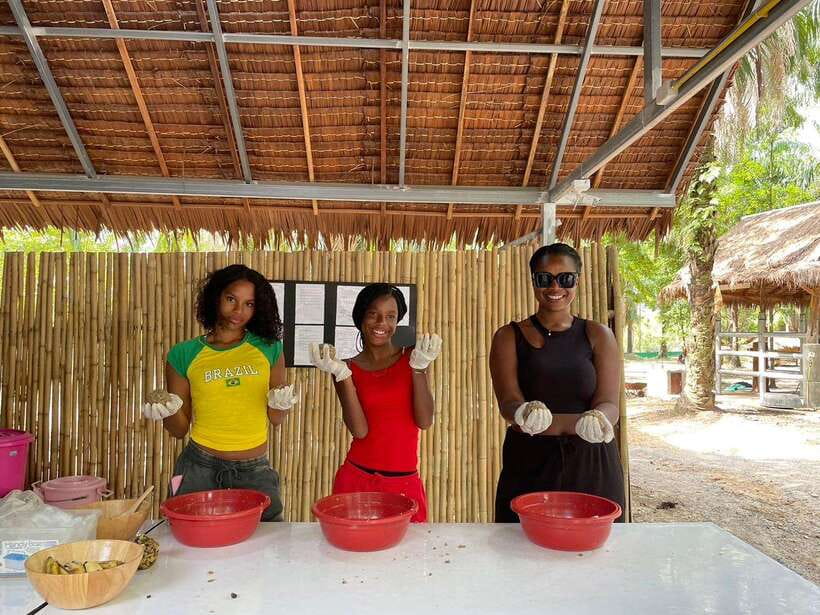
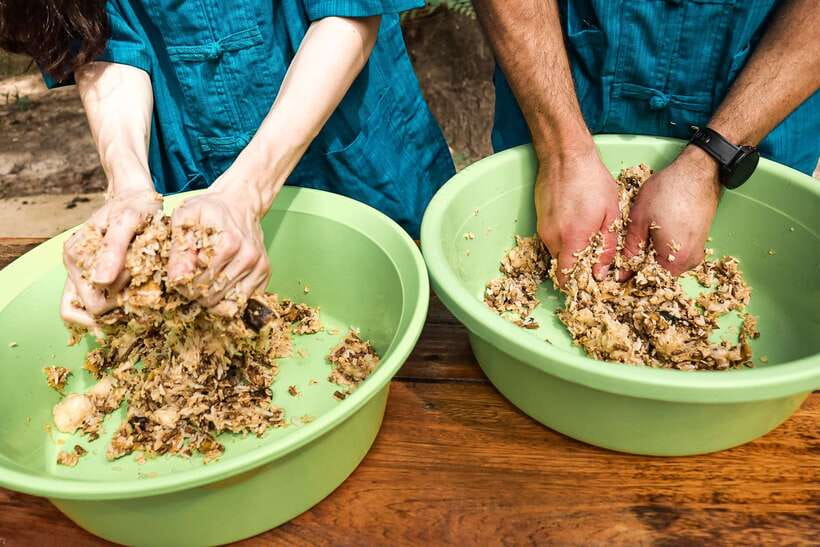
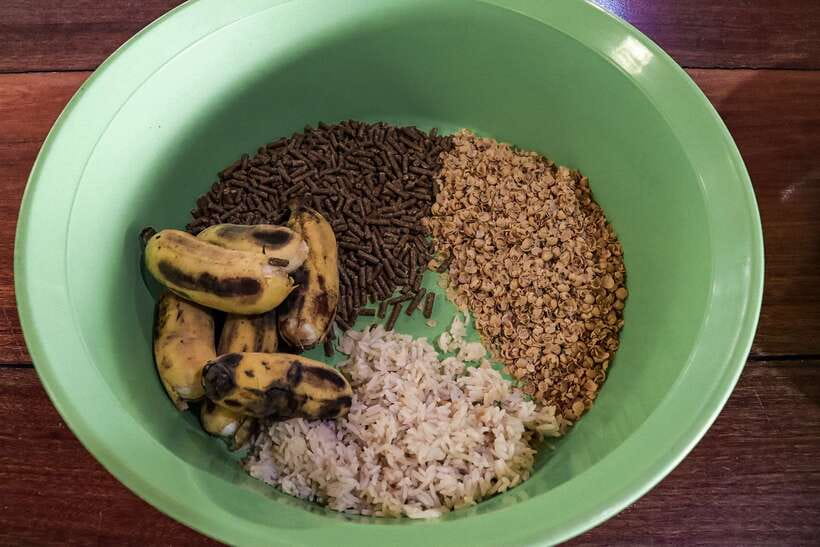
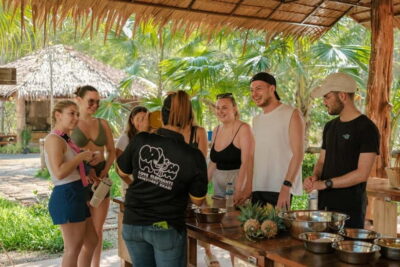
A key part of the program is the meal prep. Under caretakers’ supervision, you’ll learn how to prepare a meal for the elephants—centered on fruit and more. The format is hands-on, and it’s one of the most memorable segments because you’re doing something practical, not just observing.
Several participants mention cooking protein balls as part of the feeding session. If that’s on the menu when you go, it’s a fun twist because it makes the food feel like a real routine you helped prepare, not just a pre-packed snack handed over.
What I like about this step is that it turns you into an active participant in the elephants’ daily care. You’re learning how the meal is assembled and how caretakers expect the food to be presented. That’s the difference between a quick interaction and a meaningful one.
Also, you’re not going in hungry. The tour includes coffee, tea, drinking water, and seasonal fruit. That’s not a full meal, but it’s a nice support so you’re not scrambling for snacks right before you feed.
Because cooking materials and equipment are included, you don’t need to bring anything special besides yourself. Your main job is to follow directions and keep your hands steady and clean for feeding.




Hand-feeding time: learning personality, reading signals, and taking photos the right way
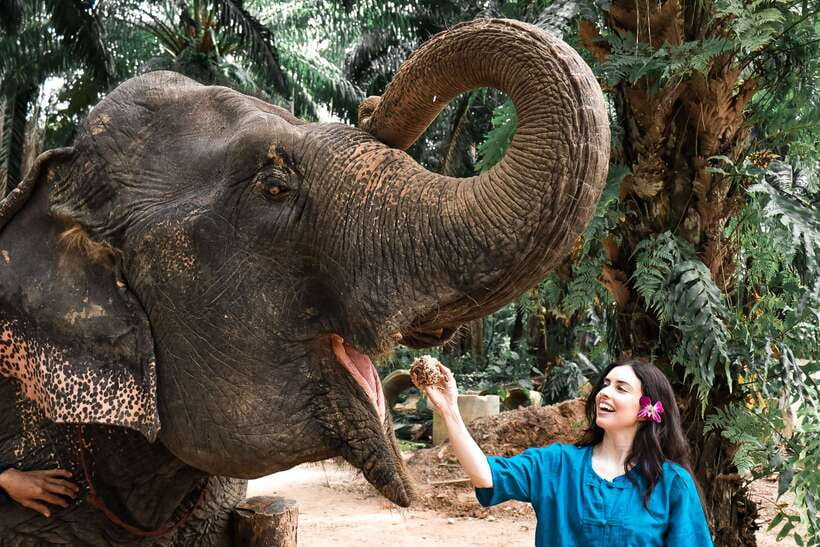
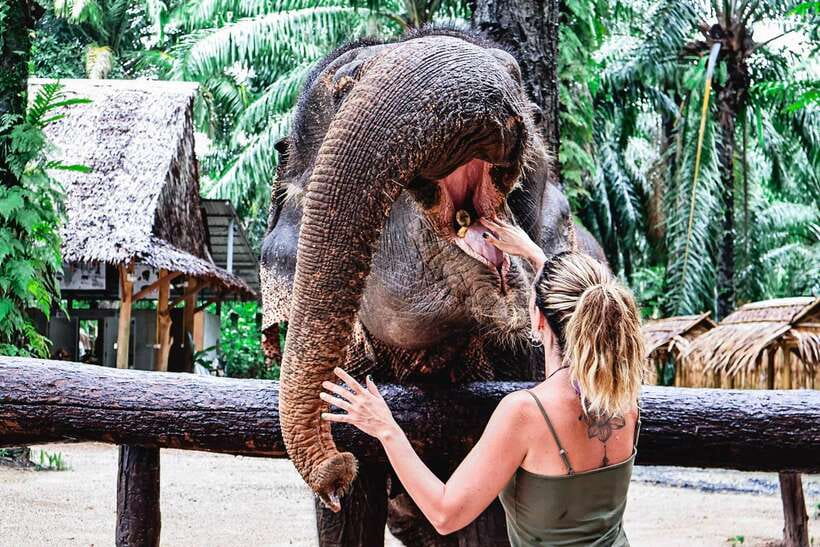
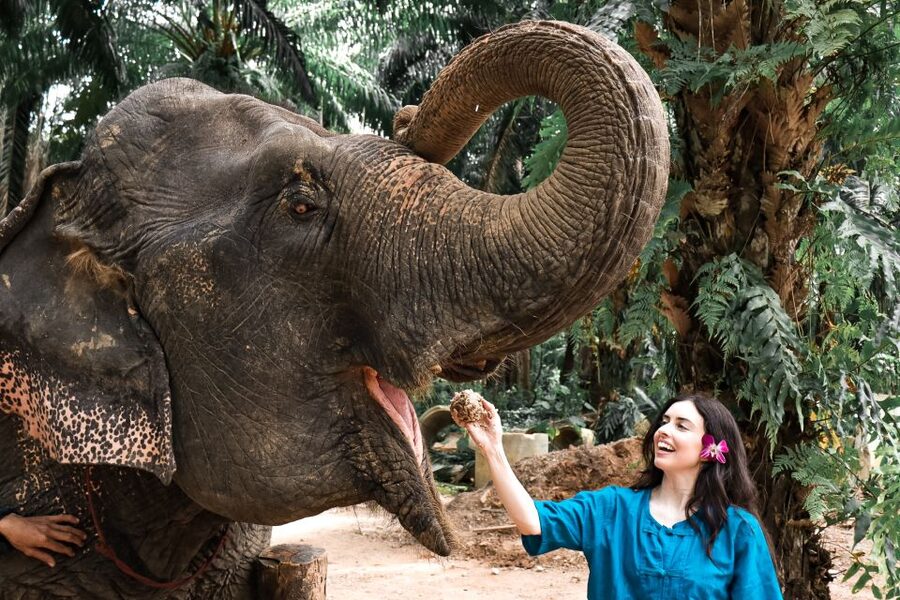
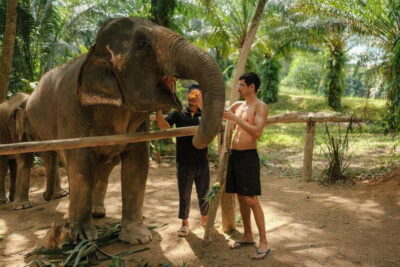
After the briefing and meal prep, you get to feed the elephants from your hands. This is the heart of the experience, and it’s where you’ll probably notice the greatest difference between “seeing elephants” and actually being in their space.
Caretakers guide you during feeding, which helps you understand the rhythm. You’ll learn when to offer food, how to hold it, and how to stay calm while an elephant approaches. This is also where you’ll discover that each elephant has its own personality—some may come in confidently, others may be more cautious, and that’s part of the learning.
I’m also glad this is a short session because it keeps the interaction focused. You get enough time to feed, admire, and yes, take photos. One review highlights that a 30-minute booking felt just right: not too busy, enough time with the elephants, and the chance to take pictures while simply observing.
Important note for expectations: a photographer is not included. You’ll likely take your own photos with your phone or camera. If you want great shots, set up your camera before feeding begins, then keep your hands free to follow the caretakers’ instructions.
Practical photo tip: avoid rushing in for a close-up. If you crowd the space, you’ll get in the way of the routine. The best elephant photos here come from staying where you’re told and letting the elephant do what it naturally does.
Price and value: does $27 make sense for a 30-minute shelter visit?

At about $27 per person for a 30-minute session, this isn’t priced like a luxury “animal encounter.” It’s also not priced like the cheapest option you’ll see online for quick roadside feeding. The value comes from what’s included and how guided it is.
Here’s what you’re getting for the price:
- Hotel transfer from nearby areas (Ao Nang, Klong Muang, Nopparat Thara)
- An English-speaking guide plus caretakers supervising feeding
- Cooking materials/equipment for the meal prep
- Coffee, tea, drinking water, and seasonal fruit
The “hidden” value is that you’re paying for instruction and for a supervised environment. That’s the part that often costs more elsewhere: safe behavior coaching, caretaker-led oversight, and a sanctuary-focused setting.
What’s not included:
- Meals (you’ll want to eat before or after)
- A photographer
So if you’re comparing, don’t just look at the price tag—compare the included guidance and transfer. If you’d otherwise spend time and money getting yourself to the shelter and figuring out what’s safe to do, the included logistics make the $27 feel more like convenience plus care than a ticket to a rushed moment.
If you’re budget-conscious, you might ask: why not choose a longer program? Sometimes longer can give deeper time for observation. But for many people, a well-run 30 minutes hits the sweet spot—meaningful contact without turning the visit into a whole-day commitment.
Who this is best for (and who should skip)
This program is ideal if you want a guided, respectful elephant encounter with hands-on feeding and a quick learning component. It’s a strong fit for:
- Couples or friends who want a shared memory without a full day
- First-timers to elephants who prefer clear coaching
- People who care about sanctuary care and want to learn basic behavior and feeding routines
It also makes sense if you’re already staying in the Ao Nang or nearby areas and don’t want to handle transportation on your own.
Who should skip:
- Children under 3 years
- People over 95 years
And if you’re someone who hates waiting in any kind of line or briefing area, be aware that you will have some time at the shelter for setup and instruction. The good news is the total visit is still designed to stay short.
Should you book the Krabi Elephant Feeding Program?
If you want a 30-minute shelter experience that combines meal prep, guided hand-feeding, and caretakers teaching behavior, this is a solid booking. The price feels fair when you factor in transfer, the guided supervision, and the included drinks and fruit.
I’d book it if:
- You want an elephant interaction that’s structured and calm
- You prefer shorter activities with a clear highlight
- You’re comfortable following instructions and keeping a steady, respectful pace
Skip it if:
- You’re expecting a long, all-day deep tour
- You want a photographer and don’t want to take your own photos
- You’re not prepared for rain or shine conditions
Bottom line: this is built for people who want a meaningful moment, not a spectacle. If that matches your travel style, you’ll likely feel you got your money’s worth.
FAQ
How long is the Krabi Elephant Feeding Program?
The experience lasts 30 minutes.
Where does the tour meet?
You meet at Krabi Elephant Shelter.
Does the tour include hotel pickup?
Yes. Transfers are included from Ao Nang, Klong Muang, and Nopparat Thara areas.
What’s included in the price?
It includes an English-speaking guide, cooking materials and equipment, coffee/tea/drinking water, and seasonal fruit.
Are meals included?
No. Meals are not included.
Does the tour run in the rain?
Yes. This tour takes place rain or shine.
Is a photographer included?
No. A photographer is not included.
Who is the tour not suitable for?
Children under 3 years and people over 95 years are not suitable.
More from the Krabi Notebook
- Krabi: Premium 4-Island Day Trip by Longtail Boat with Lunch★ 4.5 · 4,812 reviews
- Krabi: Tiger Cave, Hot Springs and Emerald Pool Jungle Tour★ 4.2 · 2,643 reviews
- Krabi: Elephant Sanctuary (near Ao Nang) Visit★ 4.9 · 1,036 reviews
- Krabi: Bioluminescent Plankton, Snorkeling & Sunset Tour★ 4.3 · 863 reviews
- Krabi: 7 Islands Sunset Tour with Plankton Swim and BBQ★ 4.0 · 808 reviews
More Krabi Elephant Camps
- Krabi: Elephant Sanctuary (near Ao Nang) Visit★ 4.9 · 1,036 reviews
- Krabi: Highlights Tour with Krabi Elephant Shelter★ 5.0 · 131 reviews
- Krabi: Elephant Feeding Program with Traditional Thai Dress★ 4.8 · 124 reviews
- Krabi Elephant bathing and Atv adventure (30min/30min)★ 4.4 · 9 reviews
- Krabi: Elephant Bathing and Huay Tho Waterfall Day Trip★ 4.8 · 5 reviews
More Krabi tours we have been through, start to finish





Krabi Elephant Sanctuaries, compared.
 ★ 4.9Elephant Bathing Session at Krabi Elephant ShelterFrom $482,021 reviews
 ★ 4.8Ao Nang Elephant Sanctuary Half-Day TourFrom $701,796 reviews
 ★ 4.9Elephant Sanctuary (near Ao Nang) VisitFrom $221,036 reviews
 ★ 4.7Elephant Care House Guided Tour with Hotel TransfersFrom $57543 reviews
 ★ 4.9Love Elephant Sanctuary TourFrom $51368 reviews
 ★ 4.8Ko Lanta Yai: Half-Day Ethical Elephant Sanctuary TourFrom $78338 reviews
 ★ 5.0Highlights Tour with Krabi Elephant ShelterFrom $54131 reviews
 ★ 4.8Elephant Feeding Program with Traditional Thai DressFrom $22124 reviews
Browse the lists this tour appears in